

Wildlife-friendly landscaping is becoming an increasingly important consideration for HOA boards and commercial property managers seeking to enhance community aesthetics while supporting environmental sustainability. By incorporating Florida-friendly landscaping practices and carefully selected native plants, communities can create attractive outdoor spaces that benefit pollinators and local wildlife without compromising appearance, maintenance standards, or HOA landscape guidelines.
A thoughtful landscape design balances ecological value with the clean, well-maintained appearance that residents expect. With proper planning, wildlife-friendly landscapes can enhance curb appeal, improve biodiversity, and reduce long-term maintenance requirements.
Understanding Wildlife-Friendly Landscaping
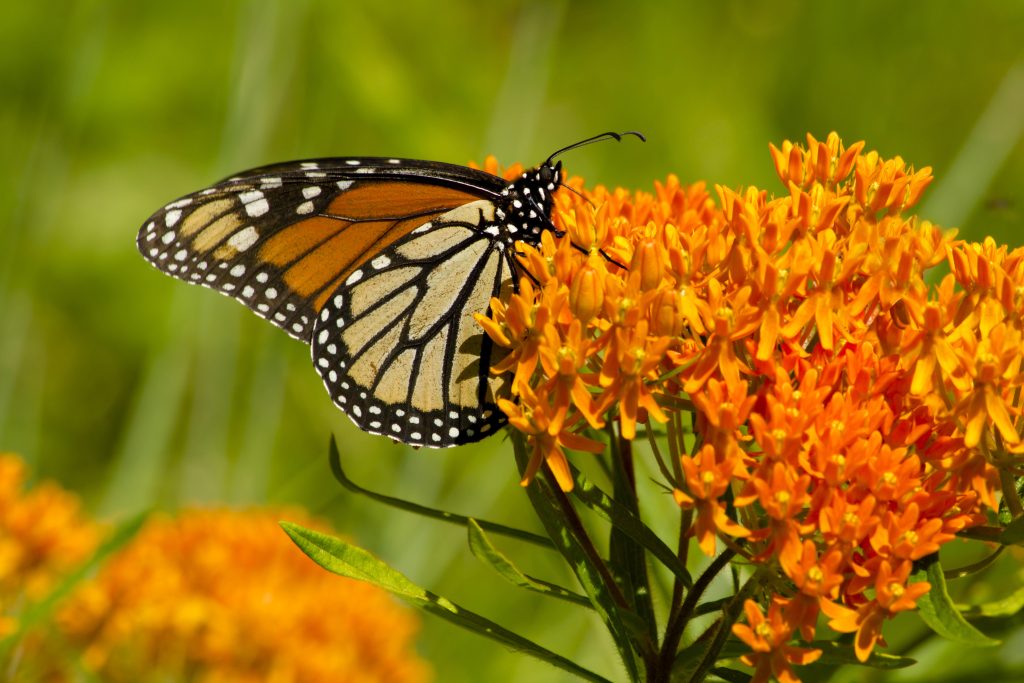
Wildlife-friendly landscaping focuses on creating healthy outdoor environments that provide food, shelter, and habitat for beneficial wildlife such as butterflies, bees, birds, and other native pollinators.
Key elements often include:
- Native Florida plant species
- Pollinator-friendly flowering plants
- Diverse plant layers for habitat
- Water-efficient landscape designs
- Reduced reliance on chemical inputs
- Sustainable planting practices
These features contribute to healthier ecosystems while maintaining an attractive and professionally managed landscape.
Incorporating Florida-Friendly Landscaping Principles
Southwest Florida’s climate presents unique opportunities to design landscapes that are both beautiful and resilient. Florida-friendly landscaping emphasizes selecting plants that thrive in local growing conditions while conserving natural resources.
Benefits of Florida-friendly landscaping include:
- Improved drought tolerance
- Reduced irrigation demands
- Better adaptation to local climate conditions
- Increased resistance to common pests and diseases
- Lower long-term maintenance requirements
These practices support sustainable landscape management while helping communities maintain an attractive appearance throughout the year.
Selecting Native Plants for Lasting Performance
Native plants are naturally adapted to Florida’s soils, rainfall patterns, and environmental conditions. When incorporated appropriately, they provide valuable habitat while requiring fewer resources than many non-native species.
Common considerations when selecting native plants include:
- Mature plant size
- Seasonal color and interest
- Pollinator value
- Site drainage conditions
- Sun and shade requirements
- Compatibility with existing landscape design
Professional plant selection ensures native species complement the community’s overall aesthetic while supporting long-term landscape performance.
Designing Pollinator Gardens Within HOA Guidelines
Pollinator gardens do not have to appear informal or unmanaged. With thoughtful planning, these landscape areas can be integrated into community entrances, common areas, clubhouses, and other shared spaces while maintaining a polished appearance.
Well-designed pollinator gardens often feature:
- Defined bed edges
- Layered planting arrangements
- Seasonal flowering plants
- Consistent mulch applications
- Proper spacing for mature growth
- Routine pruning and maintenance
These design principles create visually appealing landscapes that support butterflies, bees, and other beneficial pollinators while meeting HOA expectations for appearance.
Balancing Sustainability with Community Standards
HOA boards often seek sustainable landscaping solutions that enhance the property without creating maintenance challenges or inconsistent appearances.
A professionally managed wildlife-friendly landscape can help communities:
- Support local biodiversity
- Improve environmental stewardship
- Reduce water consumption
- Lower long-term maintenance costs
- Maintain consistent curb appeal
- Meet established HOA landscape guidelines
Careful planning allows sustainable landscapes to complement the overall character and design standards of the community.
Developing a Long-Term Landscape Strategy
Transitioning to a more wildlife-friendly landscape is often most successful when implemented as part of a long-term enhancement plan. Gradual improvements allow communities to manage budgets while evaluating plant performance and maintenance needs.
Long-term planning may include:
- Replacing declining plant material with Florida-friendly alternatives
- Expanding pollinator planting areas over time
- Improving irrigation efficiency
- Enhancing soil health
- Updating landscape designs as common areas are renovated
A phased approach helps maximize long-term value while maintaining consistent landscape quality throughout the property.
Creating Beautiful and Sustainable Community Landscapes
Wildlife-friendly landscaping and Florida-friendly landscape design are not mutually exclusive with HOA standards. When planned professionally, sustainable landscapes enhance community appearance, support native wildlife, conserve natural resources, and provide long-term value for residents and property owners alike.
Vision Landscapes partners with HOA boards and commercial property managers throughout Naples, Fort Myers, Bonita Springs, Estero, and Port Charlotte to develop Florida-friendly landscape enhancements that balance aesthetics, sustainability, and long-term maintenance efficiency.
To learn how wildlife-friendly landscaping can enhance your community while meeting HOA landscape guidelines, contact Vision Landscapes to schedule a professional landscape consultation.