

Severe weather can leave lasting impacts on landscapes throughout Southwest Florida. High winds, flooding, storm surge, and prolonged rainfall often damage trees, shrubs, turf, irrigation systems, and landscape infrastructure. While emergency cleanup is the immediate priority, long-term recovery requires a structured plan that restores property appearance, protects safety, and supports future storm resilience.
For HOA boards and commercial property managers, a proactive recovery strategy helps reduce uncertainty, control costs, and accelerate the return to normal operations following a major weather event.
Prioritizing Safety After the Storm
Before restoration efforts begin, properties should undergo a thorough post-storm assessment to identify immediate safety concerns.
Priority issues often include:
- Fallen trees and hanging limbs
- Obstructed roadways and sidewalks
- Damaged irrigation components
- Erosion and washouts
- Flooded landscape areas
- Debris accumulation near amenities and common spaces
Addressing safety hazards first helps restore access and protects residents, visitors, and maintenance personnel during the recovery process.
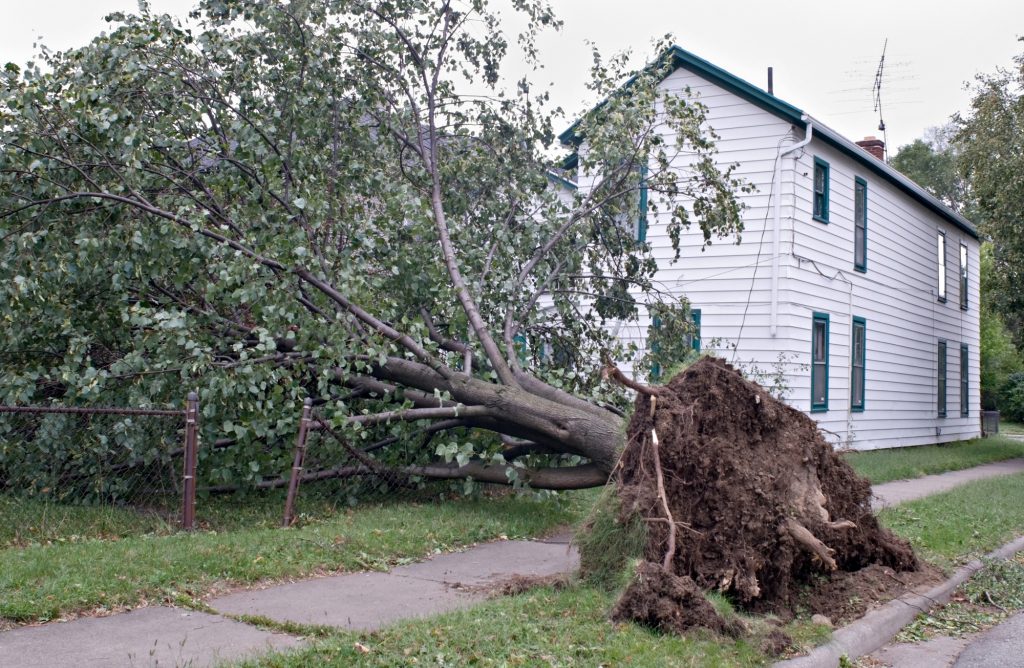
Assessing Landscape Damage
Once immediate hazards have been addressed, a comprehensive property evaluation helps determine the full extent of storm-related damage.
Key areas of focus include:
- Tree health and structural integrity
- Shrub and ornamental plant survival
- Turf condition and soil stability
- Irrigation system functionality
- Drainage performance
- Damage to landscape features and hardscapes
A detailed assessment provides the foundation for prioritizing repairs and developing a realistic recovery timeline.
Evaluating Trees for Recovery or Removal
Trees often experience some of the most significant storm-related damage. While fallen trees require immediate attention, partially damaged trees may still be recoverable depending on species, structural condition, and overall health.
Professional evaluations should consider:
- Root stability
- Canopy loss
- Trunk damage
- Structural defects
- Long-term viability
Making informed decisions about pruning, treatment, or removal helps preserve valuable tree assets whenever possible while reducing future risks.
Developing a Strategic Replanting Plan
Landscape restoration should focus on more than simply replacing what was lost. Storm recovery provides an opportunity to evaluate plant selection, placement, and overall landscape performance.
Replanting plans may incorporate:
- Wind-resistant tree species
- Florida-friendly plant materials
- Improved spacing and placement
- Enhanced drainage considerations
- Reduced maintenance requirements
Thoughtful plant selection can help strengthen long-term landscape resilience while maintaining community aesthetics.
Restoring Turf and Irrigation Systems
Turf areas often experience flooding, erosion, compaction, and debris-related damage following major storms. Irrigation systems may also suffer damage from fallen trees, washouts, or electrical disruptions.
Recovery efforts should include:
- Evaluating turf health and recovery potential
- Identifying irrigation system damage
- Addressing drainage concerns
- Reestablishing proper irrigation schedules
- Monitoring for disease and pest activity
Restoring these systems efficiently helps support healthy landscape recovery and long-term performance.
Budgeting for Long-Term Recovery
Storm recovery often extends beyond initial cleanup activities. HOA boards and property managers should consider both immediate repair costs and longer-term restoration needs when planning budgets.
A phased recovery approach can help communities:
- Prioritize critical repairs
- Manage capital expenditures
- Improve landscape performance
- Reduce future storm vulnerability
- Maintain consistent property appearance
Strategic planning helps ensure recovery investments provide long-term value rather than temporary solutions.
Building a More Resilient Landscape
Every storm provides lessons that can strengthen future preparedness efforts. Communities that incorporate resilience into recovery planning are often better positioned for future weather events.
Enhancements such as improved drainage, strategic tree management, storm-resistant plant selections, and proactive maintenance programs can help reduce future damage while supporting healthier landscapes.
Recovery planning should focus not only on restoring what was lost, but on creating stronger and more resilient properties moving forward.
Schedule a Post-Storm Landscape Assessment
Vision Landscapes partners with HOA boards and commercial property managers throughout Naples, Fort Myers, Bonita Springs, Estero, and Port Charlotte to assess storm damage, coordinate recovery efforts, and develop long-term restoration strategies. Through professional evaluations, landscape restoration planning, and proactive property management, Vision Landscapes helps communities recover efficiently while strengthening future landscape performance.
To evaluate storm-related landscape damage and develop a recovery plan for your property, contact Vision Landscapes to schedule a post-storm landscape assessment.