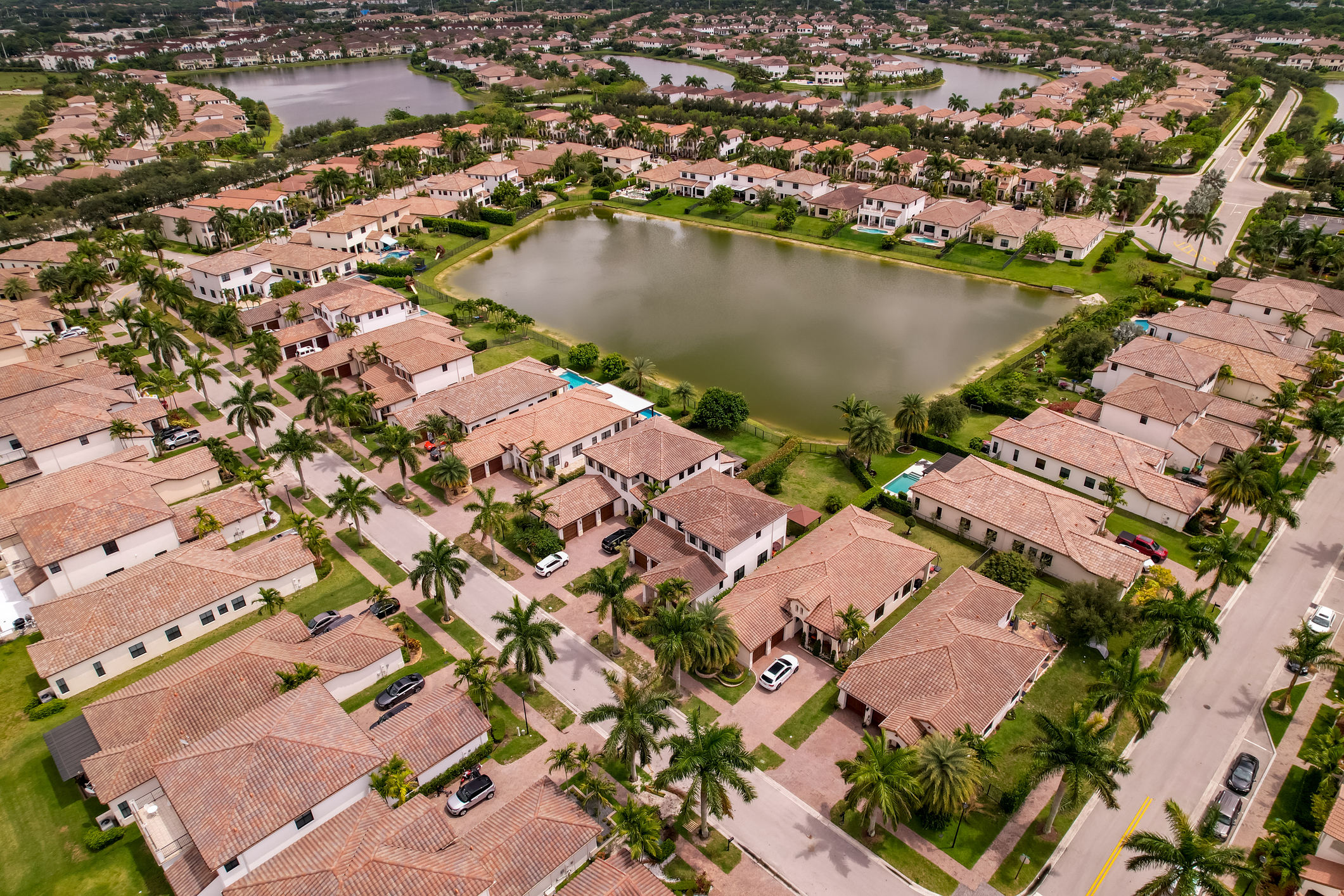
HOAs and commercial properties across Southwest Florida are increasingly looking for landscape solutions that deliver curb appeal without driving up water use or maintenance costs. At the same time, many communities want landscapes that feel more vibrant, natural, and environmentally responsible.
That’s where pollinator-friendly and waterwise plantings offer real value. With the right plant selection and proper installation planning, properties can create landscapes that support butterflies and bees, reduce irrigation demand, and maintain a strong visual impact throughout the year.
This approach isn’t just about “going green”—it’s about making smarter landscape decisions that perform better in Southwest Florida’s climate.
Why Pollinator-Friendly Landscapes Matter
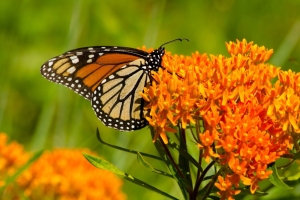
Pollinators like bees, butterflies, and beneficial insects play an important role in healthy ecosystems. In well-designed communities, pollinator-friendly plantings can add movement, seasonal interest, and a more welcoming landscape experience—especially in common areas, clubhouse zones, walking paths, and entry corridors.
For HOAs, these plantings can also strengthen community identity by creating landscapes that feel purposeful, modern, and well-planned—not just repetitive turf and shrubs.
What “Waterwise” Really Means in Southwest Florida
Waterwise landscapes are designed to use water efficiently without sacrificing appearance. In Southwest Florida, that means selecting plants that can tolerate heat, rainfall swings, and seasonal dry stretches—while reducing overreliance on irrigation.
A waterwise planting plan typically focuses on:
- Plants with low to moderate water needs once established
- Grouping plants by irrigation demand (hydrozoning)
- Improved soil conditions and bed design for better moisture retention
- Mulch and spacing strategies that reduce evaporation and weeds
This approach helps HOAs manage one of their largest controllable expenses: irrigation and water waste.
The Best Pollinator-Friendly, Waterwise Planting Strategy
The most successful landscapes balance three priorities:
1. Plant Selection That Performs
Pollinator-friendly doesn’t mean messy or unmanaged. The best options are plants that provide nectar, color, and resilience.
Many Southwest Florida properties see strong results from plant types such as:
- Pentas
- Firebush
- Lantana varieties (site-specific use)
- Porterweed
- Salvias
- Native and adapted flowering shrubs
The exact mix depends on site exposure, bed size, irrigation zoning, and desired appearance level.
2. Smart Bed Design and Placement
Placement matters just as much as the plants themselves. For HOAs and commercial sites, pollinator-friendly beds are often most effective in:
- Entry features and monument areas
- Amenity centers and clubhouses
- Buffer zones and perimeter beds
- Walking paths and community greenspaces
This keeps high-visibility curb appeal strong while using waterwise planting areas to reduce long-term resource demand.
3. Irrigation Efficiency and Zoning
Even drought-tolerant plants will struggle if they’re watered like turf. One of the most common reasons waterwise landscapes fail is improper irrigation zoning.
To maximize success, waterwise beds should have:
- Separate irrigation zones from turf areas
- Proper spray direction and coverage
- Seasonal schedule adjustments
- Flow monitoring when possible
When irrigation matches plant needs, landscapes stay healthier with less water waste.
Benefits for HOAs and Commercial Properties
When designed correctly, pollinator-friendly and waterwise plantings can provide:
- Reduced irrigation demand and water costs
- Healthier plant material with fewer replacements
- Strong seasonal color and visual interest
- Improved sustainability messaging for the community
- More resilient landscapes during dry stretches
These plantings also help properties move away from high-maintenance landscape patterns that require constant replacement cycles.
Let’s Build a Smarter, More Efficient Landscape Plan
Vision Landscapes helps HOAs and commercial properties across Naples, Fort Myers, Bonita Springs, Estero, and Port Charlotte create landscapes that balance beauty, performance, and efficiency. Whether you’re planning enhancements, upgrading irrigation, or redesigning planting beds, our team can help you implement pollinator-friendly and waterwise solutions that thrive in Southwest Florida.
🌿 Ready to improve curb appeal while reducing water waste?
Contact us now to schedule a consultation.