

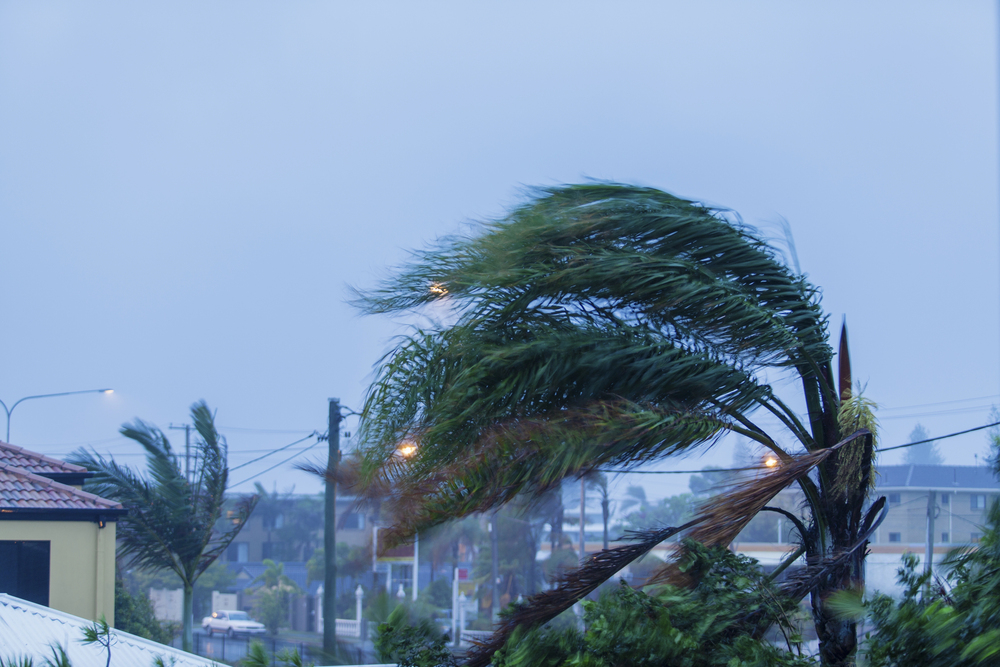
Storm season is an annual reality for communities and commercial properties throughout Southwest Florida. While preparation efforts often focus on physical landscape improvements before a storm arrives, the ability to monitor developing weather conditions and execute a rapid response plan can significantly influence recovery outcomes.
For HOA boards and commercial property managers, having clearly defined storm monitoring and response protocols helps reduce uncertainty, improve communication, and protect both landscape assets and critical property infrastructure during severe weather events.
Why Storm Monitoring Matters
Effective storm response begins long before a hurricane or tropical storm reaches Southwest Florida. Weather systems can change rapidly, and early awareness allows property managers to make informed decisions regarding landscape preparation, contractor coordination, and resident communication.
Proactive storm monitoring supports:
- Earlier preparation timelines
- Improved contractor scheduling
- Reduced property risk exposure
- Better allocation of maintenance resources
- Faster recovery planning
Communities that monitor storm developments closely are often better positioned to respond efficiently when conditions worsen.
Developing a Structured Response Plan
A storm response plan should outline clear responsibilities before, during, and after a weather event. Establishing procedures in advance helps reduce confusion and improves decision-making under stressful conditions.
A comprehensive response plan may include:
- Emergency contact lists
- Contractor communication protocols
- Site inspection procedures
- Priority areas for preparation
- Resident communication strategies
- Post-storm assessment processes
Documented procedures help ensure that important tasks are completed consistently regardless of storm severity.
Pre-Storm Property Inspections
As a storm approaches, landscape inspections become an important component of risk reduction. Evaluating site conditions before severe weather allows potential hazards to be addressed whenever possible.
Key inspection areas include:
- Trees with damaged or declining limbs
- Irrigation system components
- Drainage structures and swales
- Amenity areas and gathering spaces
- Entry monuments and signage
- Loose landscape materials and debris
Identifying vulnerabilities before a storm arrives often reduces damage and accelerates recovery efforts.
Coordinating Rapid Post-Storm Assessments
Once conditions are safe, a structured post-storm inspection should be initiated as quickly as possible. Early assessments help identify safety concerns, document damage, and prioritize recovery activities.
Post-storm evaluations typically focus on:
- Fallen trees and limbs
- Blocked access routes
- Irrigation system damage
- Flooding and drainage issues
- Landscape debris accumulation
- Damage to amenities and common areas
Prompt assessments allow communities to address critical issues first while developing a broader recovery strategy.
Prioritizing Recovery Efforts
Following a significant weather event, not all repairs can be completed simultaneously. Establishing recovery priorities helps ensure that resources are allocated efficiently.
Priority activities often include:
- Restoring emergency access
- Removing hazardous trees and debris
- Addressing safety concerns
- Stabilizing damaged landscape areas
- Evaluating irrigation functionality
- Planning longer-term restoration efforts
A structured approach helps communities recover more efficiently while maintaining clear expectations for residents and stakeholders.
Strengthening Long-Term Preparedness
Each storm provides an opportunity to improve future response efforts. Reviewing preparation activities, response timelines, and recovery outcomes can help identify opportunities for refinement.
Communities that regularly evaluate and update their storm protocols often experience improved coordination, faster recovery times, and reduced overall risk exposure.
Integrating storm monitoring and rapid response planning into annual property management practices supports long-term resilience throughout hurricane season.
Schedule a Storm Preparedness Assessment
Vision Landscapes partners with HOA boards and commercial property managers throughout Naples, Fort Myers, Bonita Springs, Estero, and Port Charlotte to develop proactive storm preparedness and recovery strategies. Through property evaluations, landscape risk assessments, and coordinated response planning, Vision Landscapes helps communities prepare for severe weather while supporting efficient post-storm recovery.
To review your property’s storm preparedness plan and response protocols, contact Vision Landscapes to schedule a storm preparedness assessment.