
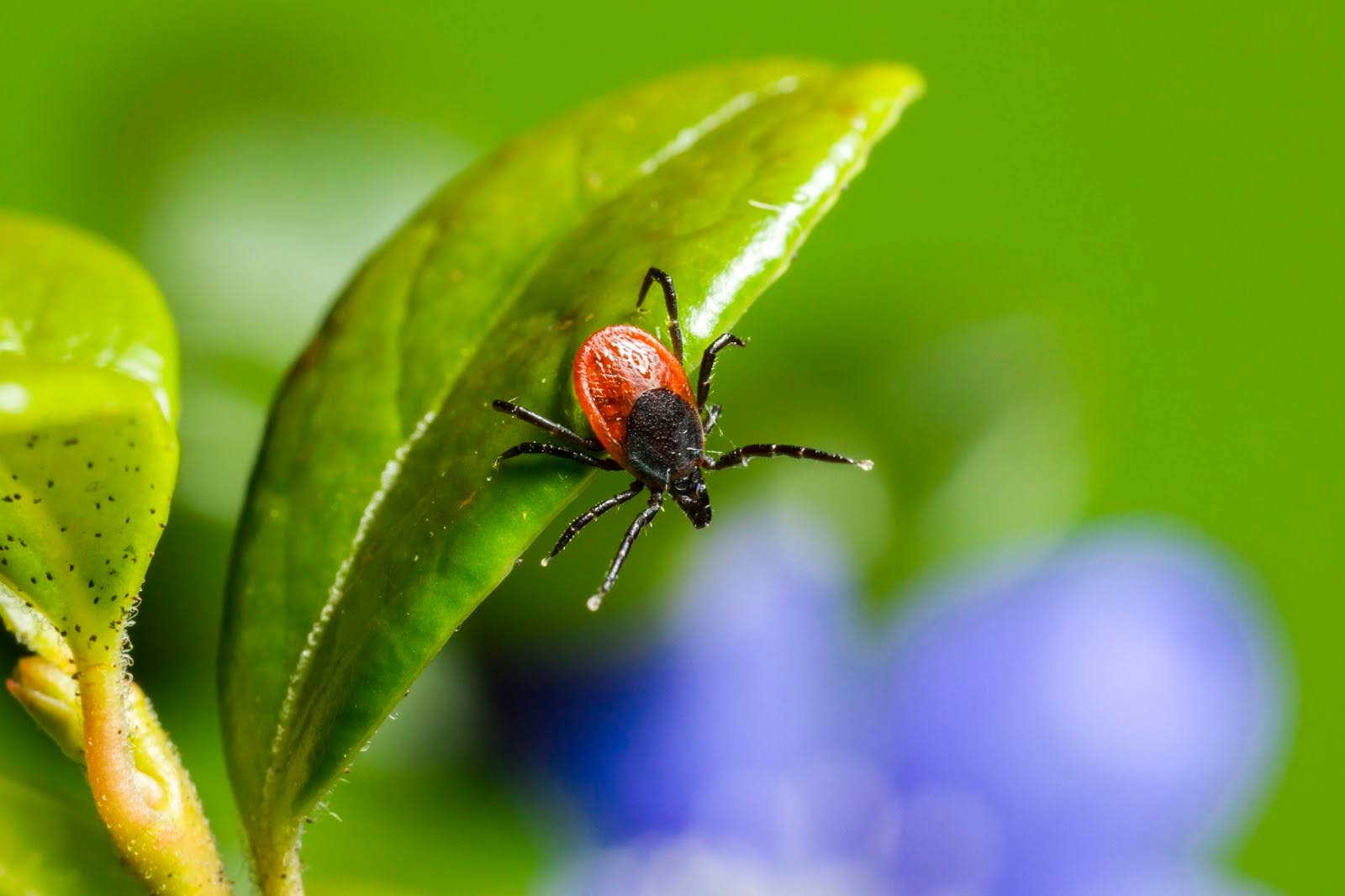
Healthy turf and ornamental landscapes don’t happen by accident—especially in Southwest Florida. As temperatures rise and humidity increases, insect activity and disease pressure accelerate. For HOAs and commercial properties, this often leads to reactive pesticide applications, recurring plant decline, and rising landscape costs.
A better approach is Integrated Pest Management (IPM). IPM is a proactive, science-based strategy that reduces pest issues through monitoring, prevention, and targeted treatments. When implemented correctly, IPM improves plant health, protects curb appeal, and reduces unnecessary chemical use—while keeping landscapes strong through the most demanding seasons.
What Is IPM?
Integrated Pest Management is a structured method of managing pests (insects, weeds, and disease) by combining multiple control strategies instead of relying on routine blanket spraying.
IPM focuses on:
- Preventing pest outbreaks through healthier landscapes
- Monitoring and identifying issues early
- Using targeted treatments only when needed
- Selecting the least disruptive method that still gets results
For HOAs and commercial properties, IPM creates more predictable outcomes and better budget control.
Why IPM Matters for Turf and Ornamentals
In Southwest Florida, turf and ornamental beds face constant pressure from:
- High humidity and prolonged leaf wetness
- Heavy rainfall cycles and irrigation overlap
- Warm temperatures that increase pest reproduction
- Stress from compaction, shade, and poor drainage
These conditions make landscapes more vulnerable. When turf and plants are stressed, pests and disease become more aggressive—and recovery becomes more expensive.
IPM helps communities reduce this risk by strengthening the landscape and addressing problems before they spread.

The Core IPM Fundamentals
1. Monitoring and Early Detection
IPM starts with regular inspections. Instead of waiting until turf browns out or shrubs decline, IPM identifies early warning signs such as:
- Leaf spotting and discoloration
- Thinning turf and irregular growth patterns
- Chewing damage or insect presence
- Fungus development in shaded or overwatered zones
Early detection allows for smaller, lower-cost corrections.
2. Accurate Identification (Not Guessing)
One of the biggest mistakes in pest control is treating the wrong issue. Many turf diseases look similar, and insect damage can mimic nutrient deficiencies or irrigation problems.
Proper identification ensures:
- Correct product selection
- Better treatment results
- Reduced repeat applications
- Lower overall chemical use
3. Cultural Practices That Prevent Pest Pressure
IPM emphasizes strong landscape fundamentals. Healthy turf and ornamentals resist pests better and recover faster. Key cultural practices include:
- Correct mowing height and sharp blades
- Proper pruning cycles and airflow management
- Soil health improvements and nutrient balancing
- Irrigation adjustments to reduce overwatering
- Mulch and bed prep that limit weed germination
Many “pest problems” are actually symptoms of stress caused by poor irrigation or maintenance patterns.
4. Threshold-Based Treatment Decisions
IPM avoids unnecessary spraying. Treatments are applied when pest pressure reaches a threshold that threatens plant health or appearance—not simply because it’s on a calendar.
This improves:
- Cost control
- Plant resilience
- Environmental stewardship
- HOA board confidence in landscape management
5. Targeted Applications and Product Rotation
When treatment is needed, IPM uses targeted methods such as spot treatments, selective herbicides, or specific fungicides. It also rotates products when appropriate to reduce resistance buildup—especially important for recurring turf fungus issues.
The Value of IPM for HOAs and Commercial Properties
A strong IPM program leads to:
- Healthier turf and stronger ornamentals
- Fewer widespread pest outbreaks
- Reduced chemical overuse
- Better long-term curb appeal
- More predictable maintenance budgets
It also improves communication and accountability because decisions are based on inspection and documentation—not guesswork.
Build a Smarter Pest Management Plan for Your Property
Vision Landscape supports HOAs and commercial properties throughout Naples, Fort Myers, Bonita Springs, Estero, and Port Charlotte with professional landscape management, irrigation oversight, and pest control strategies built around long-term performance. If your property is experiencing recurring turf decline, ornamental stress, or seasonal pest pressure, an IPM-based approach can make a measurable difference.
🌿 Ready for healthier turf and ornamentals with fewer surprises?
Contact us now to schedule an IPM consultation.
Leave A Comment