
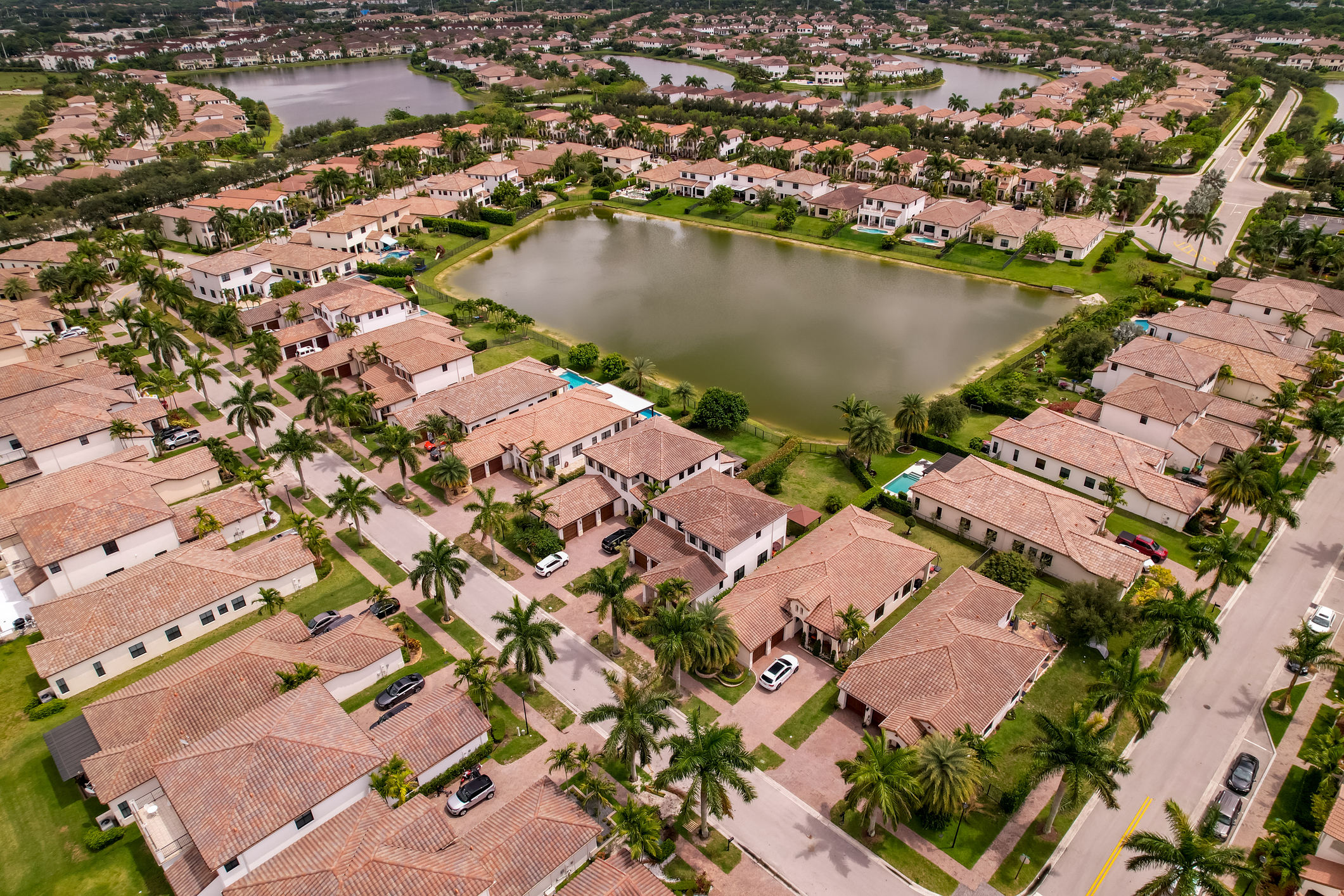
Landscape expectations for HOAs in Southwest Florida are changing. Residents want elevated curb appeal and modern design, while municipalities continue to refine landscape and irrigation requirements. For boards and community managers in Naples, Fort Myers, Bonita Springs, Estero, and Port Charlotte, it is no longer enough for the landscape simply to “look good.” It must also be resilient, water-efficient, and code-compliant.
Understanding current landscape trends alongside evolving code requirements helps HOAs make better decisions about maintenance, enhancements, and long-term planning.
Key Landscape Trends for Southwest Florida HOAs
Several landscape trends are shaping how communities in Southwest Florida plan and invest in their outdoor environments.
1. Water-Efficient, Irrigation-Smart Design
Rising water costs and irrigation restrictions have made water efficiency a top concern. HOAs are increasingly:
- Reducing large, high-water-use turf areas in favor of well-designed beds
- Incorporating more drought-tolerant and Florida-appropriate plant material
- Investing in smart irrigation controllers and ET-based scheduling
- Focusing on proper head layout and zoning to reduce overspray and runoff
These strategies align with water management district guidelines and help communities demonstrate responsible use of shared resources.
2. Resilient, Storm-Ready Landscapes
With recurring storm and hurricane seasons, more communities are prioritizing:
- Strong root systems and appropriate tree species
- Pruning standards that support wind resistance and long-term structure
- Thoughtful placement of large trees away from critical infrastructure
- Efficient post-storm response protocols
Board members in Naples, Bonita Springs, Estero, Fort Myers, and Port Charlotte increasingly ask how their landscape plan performs under storm conditions, not just on clear days.
3. Native and Regionally Appropriate Plant Palettes
While not every plant must be native, HOAs are steadily moving toward:
- Increased use of species that perform well in Southwest Florida’s climate
- Reduced reliance on plants that require heavy inputs or constant intervention
- Plant selections that support pollinators and local ecology where appropriate
This approach often leads to lower long-term maintenance and a more stable, predictable appearance.
4. Clean, Simple Lines and Reduced Clutter
From entry monuments to boulevard medians, modern landscapes emphasize:
- Clear bed lines and consistent plant masses
- Fewer, better-chosen species instead of overcrowded mixes
- Improved sightlines and visibility around signage and intersections
These design principles are easier to maintain and help properties project a more organized, high-quality image.
Code and Regulatory Considerations for HOA Landscapes
Alongside design trends, local and regional regulations are evolving. While specific requirements vary by jurisdiction, HOAs across Southwest Florida commonly encounter:
1. Tree Protection and Replacement Requirements
Many municipalities require:
- Permits for removal of certain tree species or sizes
- Minimum replacement ratios when trees are removed
- Documentation from an arbor professional for safety-related removals
Boards should plan tree work with enough lead time to address permitting and compliance before removals or major pruning.
2. Buffer and Screening Standards
Communities often must maintain:
- Landscape buffers along roadways and property lines
- Minimum plant densities and heights for screening purposes
- Consistent maintenance standards for hedges and screening plants
Failure to meet buffer requirements can result in code enforcement issues and complaints.
3. Irrigation and Watering Restrictions
Local watering schedules, rain sensor requirements, and water management district guidelines affect:
- Allowed watering days and times
- Requirements for functioning rain shut-off devices
- Expectations for minimizing runoff and overspray
HOAs benefit from an irrigation partner who monitors these requirements and adjusts schedules accordingly.
4. Visibility, Sight Triangles, and Safety
Code and safety standards typically address:
- Maximum allowable plant heights near intersections and driveways
- Clear sight triangles at community entrances and internal crossings
- Lighting and visibility of monuments and signage
Landscape enhancements must be designed with these visibility standards in mind.
How HOAs Can Stay Ahead of Trends and Code Changes
For board members and community managers, the most practical approach includes:
- Conducting periodic landscape and irrigation reviews
- Requesting written recommendations from your landscape contractor on code-sensitive areas
- Planning enhancements with both aesthetics and compliance in mind
- Prioritizing projects that support water efficiency, safety, and long-term resilience
A proactive strategy reduces surprise costs, code violations, and emergency repairs.
Partnering with Vision Landscapes
Vision Landscapes works with HOAs throughout Naples, Fort Myers, Bonita Springs, Estero, and Port Charlotte to align landscape design and maintenance with both current trends and local code requirements.
Our team can assist with:
- Evaluating existing landscapes for code risks and improvement opportunities
- Recommending plant palette updates and enhancement priorities
- Developing irrigation strategies that support both water efficiency and compliance
- Coordinating tree work and enhancements with local permitting requirements
To discuss how landscape trends and code updates may affect your HOA, contact Vision Landscapes at (888) 502-2113, email support@visionlandscapeservices.com, or visit www.visionlandscapeservices.com.
Leave A Comment