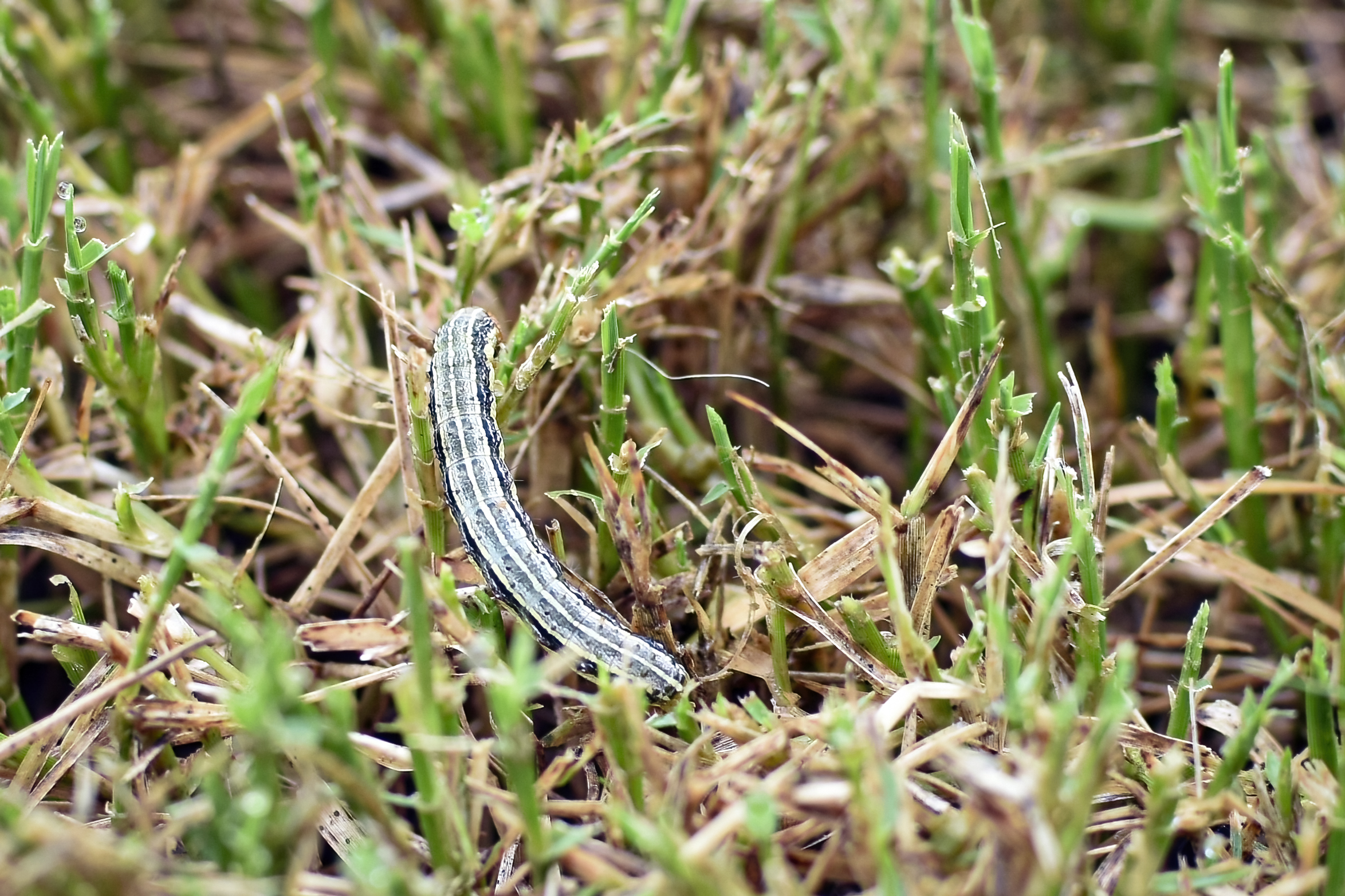
Healthy turf is a key component of curb appeal for HOA communities and commercial properties throughout Southwest Florida. During the summer and early fall months, however, turfgrass can come under increased pressure from destructive insect pests. Among the most common and damaging are tropical sod webworms and armyworms, both of which can cause rapid turf decline if left unmanaged.
Because these pests can spread quickly across large turf areas, proactive monitoring and timely intervention are essential for protecting landscape quality and avoiding costly repairs.
Understanding Sod Webworms and Armyworms
Tropical sod webworms and armyworms are caterpillar pests that feed on turfgrass blades. While small in size, their feeding activity can create significant damage in a relatively short period of time.
These pests are particularly active during warm, humid conditions and often target St. Augustine turf, one of the most common grass varieties found throughout Southwest Florida communities and commercial landscapes.
Outbreaks can develop rapidly, especially following periods of rainfall and accelerated turf growth.
Recognizing Early Signs of Damage
Early detection is critical for minimizing turf loss. Property managers and maintenance teams should be alert for changes in turf appearance during peak pest activity periods.
Common warning signs include:
- Irregular brown or thinning patches
- Turf that appears scalped or chewed
- Increased bird activity feeding on insects
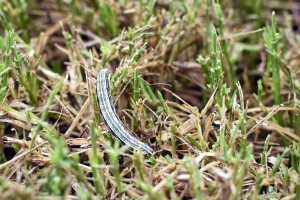
- Visible caterpillars in turf during early morning or evening hours
- Areas that fail to recover despite adequate irrigation
Because damage can sometimes resemble drought stress or disease, proper identification is essential before implementing treatment strategies.
Why Outbreaks Occur During Summer
Southwest Florida’s summer weather creates ideal conditions for turf pests. Warm temperatures, frequent rainfall, and vigorous turf growth provide favorable environments for insect development and reproduction.
Large properties with extensive turf areas may be especially vulnerable if routine monitoring is not part of the landscape maintenance program.
Outbreaks often appear suddenly, making regular inspections one of the most effective management tools available.
The Importance of Proactive Monitoring
Routine scouting allows landscape professionals to identify pest activity before widespread damage occurs. Monitoring programs typically focus on vulnerable turf areas, recent damage reports, and environmental conditions that may support increased pest pressure.
Regular inspections help:
- Identify infestations early
- Reduce the need for extensive treatments
- Minimize turf damage
- Support healthier turf recovery
- Improve maintenance budget predictability
Early intervention is generally more effective and less disruptive than responding after significant turf decline has occurred.
Integrated Pest Management Strategies
Successful control of sod webworms and armyworms often relies on an Integrated Pest Management (IPM) approach. Rather than relying solely on chemical treatments, IPM combines monitoring, cultural practices, and targeted interventions to manage pest populations responsibly.
An effective IPM strategy may include:
- Routine pest monitoring
- Turf health assessments
- Proper irrigation management
- Balanced fertilization programs
- Targeted treatment applications when thresholds are exceeded
This approach helps protect turf quality while supporting long-term landscape sustainability.
Protecting Turf Quality and Property Appearance
For HOA boards and commercial property managers, turf pest outbreaks can quickly affect community appearance and resident satisfaction. Damaged turf may require additional treatments, increased maintenance efforts, or even replacement in severe cases.
Maintaining a proactive monitoring program helps preserve uniform turf quality while reducing the likelihood of large-scale repairs and unexpected expenses.
Healthy, well-managed turf is better positioned to withstand seasonal pest pressures and recover more effectively when issues arise.
Schedule a Turf Assessment
Vision Landscapes partners with HOA boards and commercial property managers throughout Naples, Fort Myers, Bonita Springs, Estero, and Port Charlotte to monitor turf health and manage pest activity through integrated pest management strategies. Through proactive inspections, targeted treatments, and comprehensive turf care programs, Vision Landscapes helps properties protect valuable landscape assets throughout the growing season.
To evaluate your property’s turf conditions and identify potential pest concerns before they spread, contact Vision Landscapes to schedule a turf assessment.