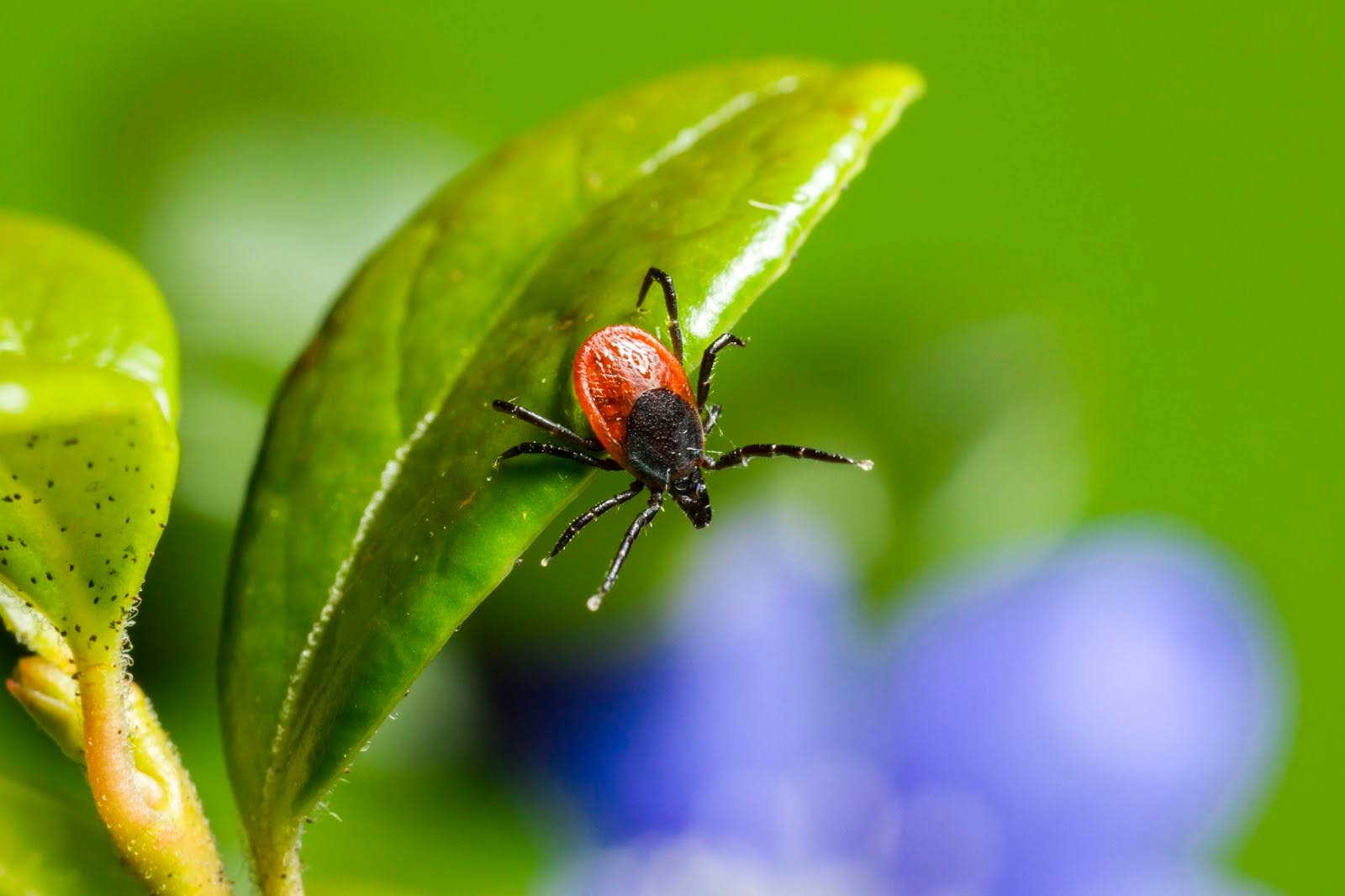
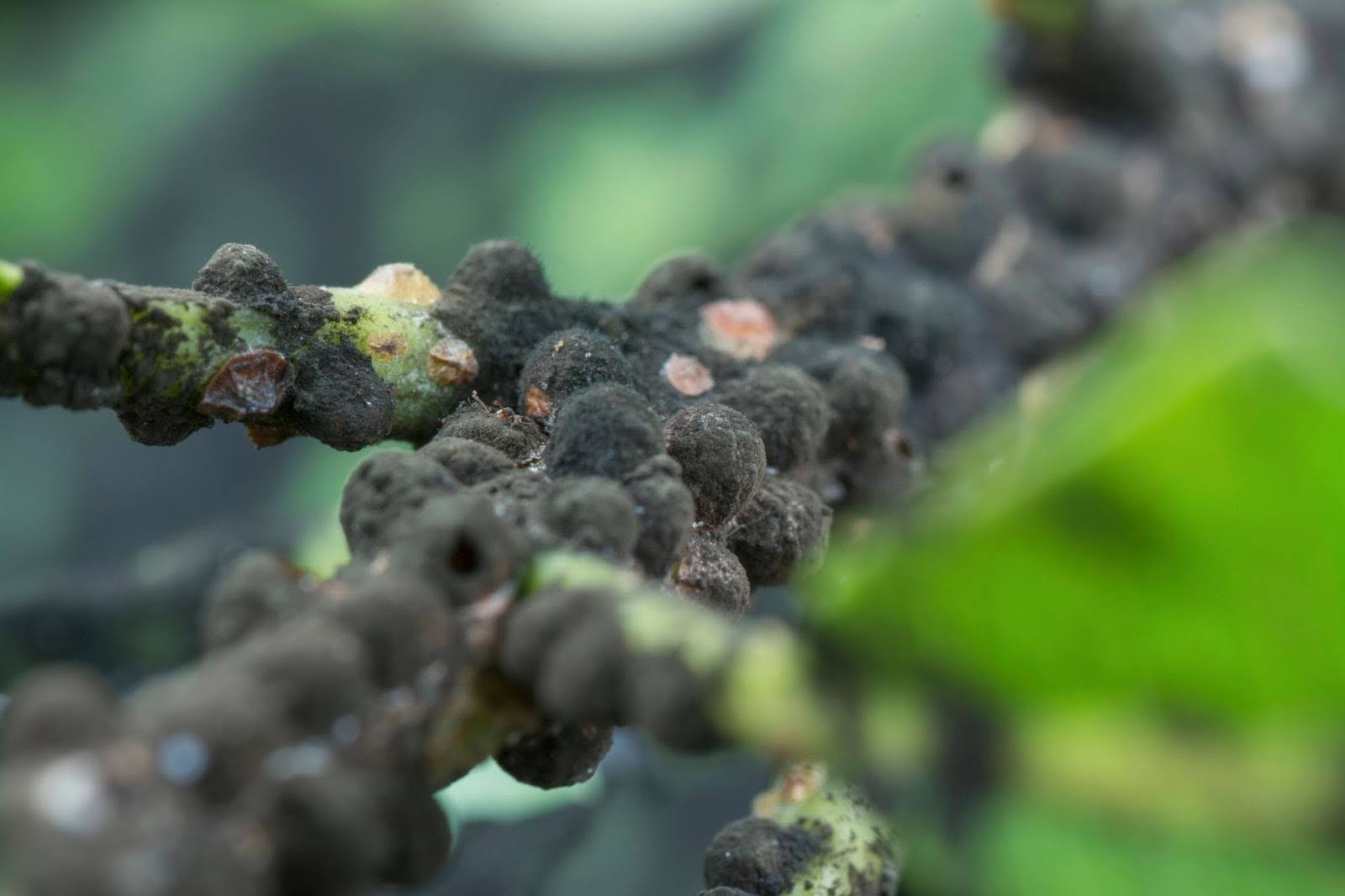
In Southwest Florida, some of the most damaging turf issues do not begin with visible disease or irrigation failure—they originate below the surface. Chinch bugs, sod webworms, and mole crickets are among the most common turf pests affecting HOA communities and commercial properties. Early detection is critical to preventing widespread damage and costly turf replacement.
As temperatures rise and turf growth accelerates, these pests become increasingly active. Without routine monitoring, infestations can expand rapidly, resulting in thinning turf, dead patches, and significant renovation expenses. A proactive monitoring strategy protects turf health while minimizing unnecessary treatments.
Why Monitoring Matters More Than Reactive Treatment
One of the most common mistakes in turf pest management is waiting until damage becomes obvious. By the time large brown or thinning areas appear, pest populations are often well established.
Consistent monitoring allows landscape professionals to:
- Identify pest activity early
- Confirm the specific pest involved
- Apply targeted treatments only when thresholds are reached
- Reduce turf stress and recovery time
- Control costs by avoiding large-scale corrective work
For HOA boards and commercial property managers, this results in fewer resident complaints, more uniform turf appearance, and predictable maintenance outcomes.
Understanding the Most Common Turf Pests in Southwest Florida
Chinch Bugs
Chinch bugs are among the most destructive pests affecting St. Augustine turf, which is widely used throughout Southwest Florida. These insects feed on grass blades and inject toxins that disrupt water movement, causing turf to appear drought-stressed even when irrigation is functioning properly.
Common signs of chinch bug activity include:
- Irregular yellow or brown patches
- Turf that does not respond to watering
- Damage spreading outward from sunny, dry areas
Because chinch bug damage can closely resemble drought stress or disease, accurate identification through professional monitoring is essential.
Sod Webworms
Sod webworms are the larval stage of lawn moths and feed primarily at night on turf blades. Damage often presents as uneven thinning rather than large dead areas.
Indicators of sod webworm activity include:
- Chewed or ragged grass blades
- Small moths flying up when turf is disturbed
- Thinning turf despite proper mowing and irrigation
Webworm damage can progress unnoticed until turf density declines, making routine inspection especially important.
Mole Crickets
Mole crickets damage turf by tunneling through the soil, disrupting roots and loosening the soil structure. Their activity often intensifies during warm, wet conditions common in Southwest Florida.
Signs of mole cricket presence include:
- Raised tunnels or loose soil on the surface
- Turf that feels spongy underfoot
- Areas where grass pulls up easily
Because mole crickets damage both turf roots and soil stability, untreated infestations can lead to large-scale turf failure.
How Professional Monitoring Protects Turf Health
Effective turf pest monitoring goes beyond surface-level visual checks. A structured monitoring program may include:
- Routine inspections of historically affected or high-risk areas
- Evaluation of moisture levels and turf stress patterns
- Identification of insect life stages and population density
- Differentiation between pest damage, irrigation issues, and disease
Monitoring supports threshold-based treatment decisions, ensuring action is taken only when pest pressure threatens turf performance. This reduces unnecessary chemical use and supports long-term turf sustainability.
Long-Term Benefits for HOAs and Commercial Properties
Proactive monitoring of turf pests delivers long-term value, including:
- Healthier, more uniform turf
- Faster recovery from localized damage
- Reduced need for turf replacement or renovation
- Lower pest management costs over time
- Stronger curb appeal during peak growing seasons
Early intervention protects both landscape appearance and maintenance budgets.
Protect Your Turf Before Damage Spreads
Chinch bugs, sod webworms, and mole crickets can cause significant turf damage if left unchecked. With proactive monitoring and integrated pest management, infestations can be addressed before they become costly problems. Vision Landscape partners with HOA boards and commercial property managers throughout Naples, Fort Myers, Bonita Springs, Estero, and Port Charlotte to deliver turf monitoring and pest management strategies designed specifically for Southwest Florida conditions.
To schedule a turf inspection or discuss a proactive monitoring program, contact Vision Landscapes at (888) 502-2113 or info@visionlandscapeservices.com.