

Extended periods of rainfall create ideal conditions for turf disease development in HOA communities and commercial properties. As soil moisture remains elevated and humidity levels increase, fungal pathogens can spread quickly through stressed or nutrient-deficient turf. Without proactive monitoring, minor discoloration can escalate into widespread thinning, patching, and long-term decline.
A structured wet-season turf management plan helps protect curb appeal, reduce unnecessary turf replacement, and maintain consistent playing and walking surfaces across high-visibility properties.
Why Wet Conditions Increase Disease Pressure
During prolonged rain events, turfgrass experiences reduced oxygen in saturated root zones, slower evaporation due to persistent humidity, and extended leaf wetness periods. Combined with fluctuating sunlight and cloud cover, these factors create favorable conditions for fungal diseases such as brown patch and dollar spot. Properties with dense turf, excessive nitrogen applications, or underlying drainage issues are particularly vulnerable during this time of year.
Brown Patch: Rapid Damage in Warm, Humid Conditions
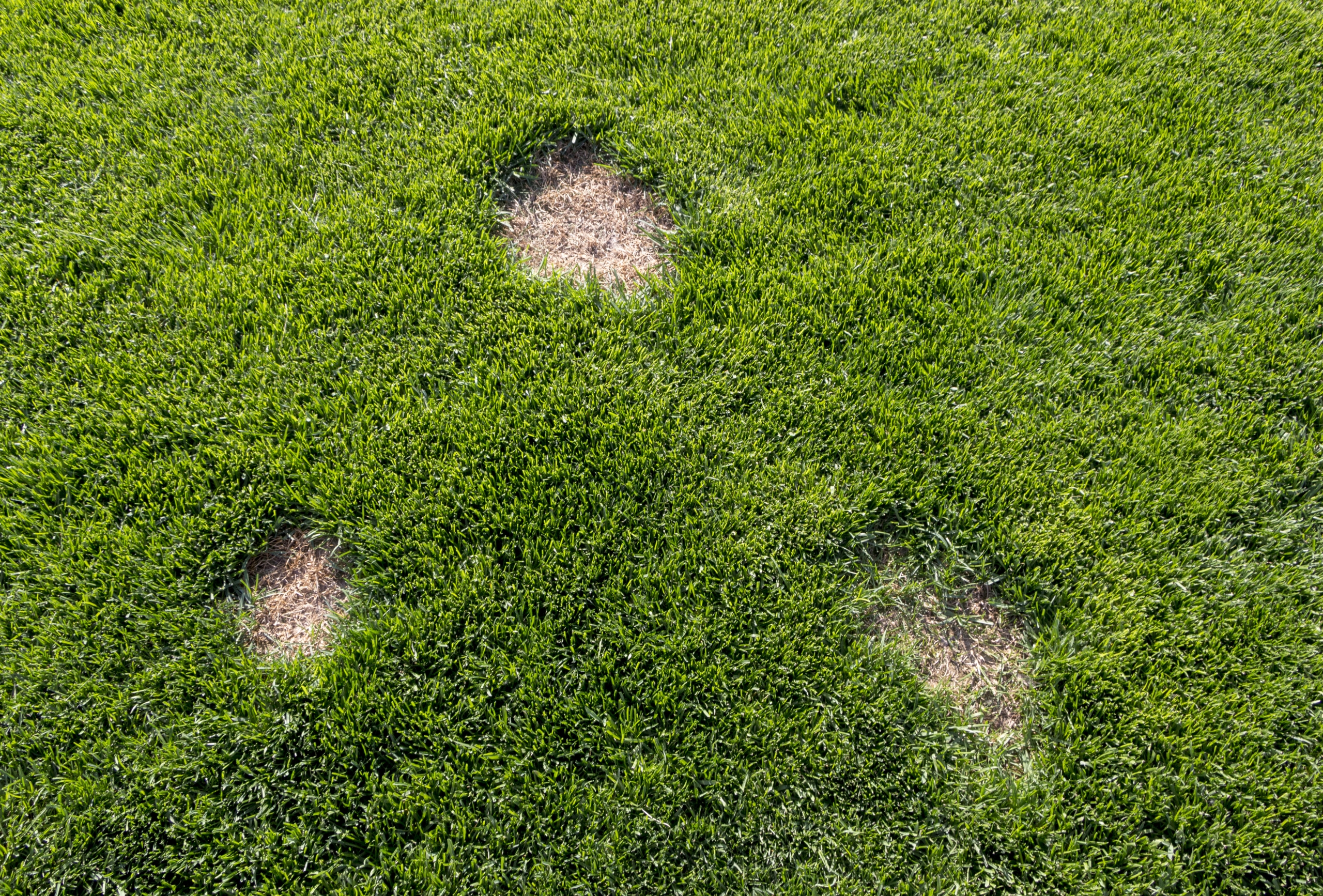
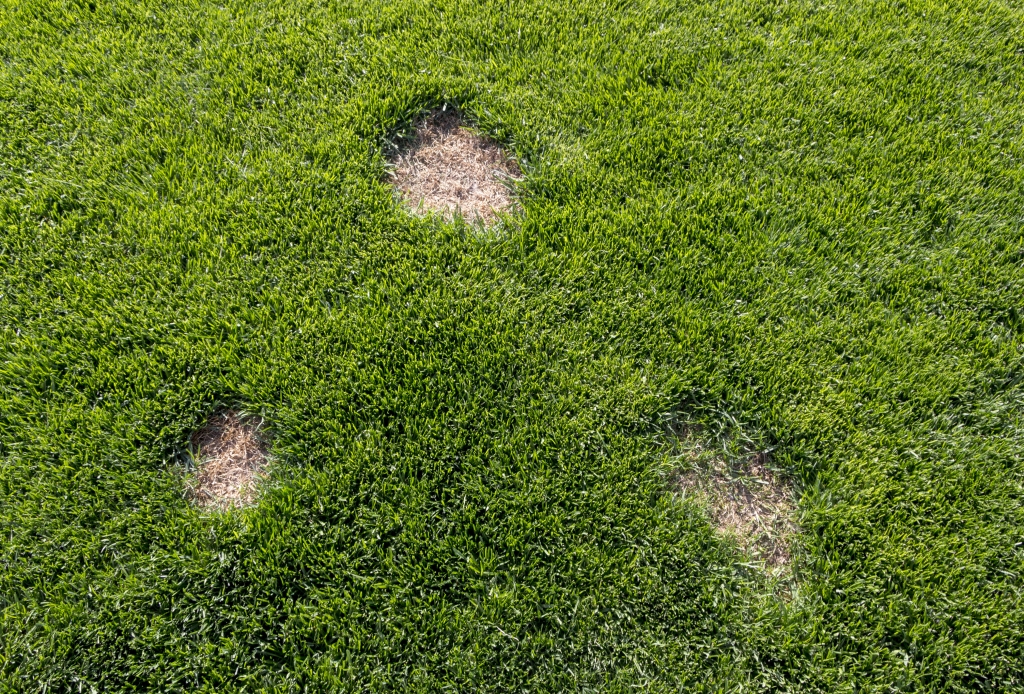
Brown patch commonly develops during warm, rainy periods and can expand quickly across St. Augustine and other turf varieties used in Florida landscapes. It often appears as circular brown or tan areas that may have darker, smoky borders along the outer edge. During consecutive wet days, affected zones can enlarge rapidly, particularly in high-traffic or poorly drained sections of turf.
If not addressed promptly, brown patch weakens turf density and creates openings for weed encroachment, increasing long-term maintenance costs.
Dollar Spot: Subtle but Persistent Decline
Dollar spot typically begins as small, straw-colored spots scattered across the turf canopy. Over time, these spots can merge into larger irregular areas, creating a thin, uneven appearance. While it may progress more gradually than brown patch, persistent moisture, nutrient imbalances, and soil compaction can accelerate its spread.
Because early symptoms may appear minor, regular inspection during rainy periods is critical to preventing widespread thinning.
The Importance of Accurate Diagnosis
Wet-season turf discoloration is often mistaken for irrigation malfunction, nutrient deficiency, or pest damage. Misdiagnosis can delay effective treatment and increase repair costs. A professional evaluation should consider soil moisture levels, drainage performance, fertilization timing, mowing practices, and overall turf stress before determining a treatment plan.
Accurate identification ensures targeted, responsible intervention rather than unnecessary chemical applications.
Preventive and Corrective Management Strategies
Effective wet-season management requires coordination across irrigation, fertilization, and cultural practices. Irrigation schedules should be adjusted during extended rain events to avoid oversaturation. Surrounding vegetation may require selective pruning to improve airflow and reduce humidity at the turf surface. Nitrogen applications must be carefully managed to prevent excessive top growth that increases disease susceptibility.
When disease thresholds are reached, targeted fungicide applications may be appropriate as part of an integrated management strategy. Addressing compaction or drainage deficiencies further strengthens turf resilience and reduces recurring outbreaks.
Budget Protection Through Early Intervention
For HOA boards and commercial property managers, turf disease management is both an aesthetic and financial consideration. Delayed response can result in large-scale turf replacement, increased weed pressure requiring additional treatments, resident dissatisfaction due to visible decline, and escalating maintenance expenses.
Routine monitoring during peak rainfall periods supports predictable budgeting and stronger overall landscape performance.
Protecting Turf Performance During the Wet Season
Vision Landscapes partners with HOA boards and commercial property managers throughout Naples, Fort Myers, Bonita Springs, Estero, and Port Charlotte to implement integrated turf health programs designed for Florida’s rainy season conditions. Through proactive monitoring, precise treatment applications, and coordinated water management strategies, Vision Landscapes helps properties maintain healthy, uniform turf even during prolonged rainfall.
To review your turf health strategy or schedule a wet-season inspection, contact us to connect with our team.

