Amenity spaces such as clubhouses, pools, playgrounds, walking paths, and outdoor gathering areas are high-visibility assets for HOA communities and commercial properties. These spaces directly influence resident satisfaction, property value, and overall perception of community management. When mosquito activity and fire ant infestations are not properly controlled, they can quickly compromise safety, comfort, and usability.
A strategic, proactive pest management program focused specifically on amenity zones helps reduce complaints, protect liability exposure, and maintain a positive resident experience.
Why Amenity Areas Require Specialized Attention
Unlike perimeter landscapes or passive green space, amenity areas experience concentrated foot traffic and frequent use. This increases both exposure risk and reputational impact when pest issues arise.
Common concerns include:
- Mosquito activity around seating areas and pools
- Fire ant mounds near sidewalks, playgrounds, and athletic turf
- Increased risk of bites or stings in high-use zones
- Resident complaints and potential liability claims
Targeted monitoring and treatment in these areas should be prioritized within a broader Integrated Pest Management (IPM) program.
Mosquito Reduction Strategies for High-Use Areas
Mosquito populations increase rapidly during warm, wet conditions. Amenity areas often contain irrigation overspray, shaded planting beds, and decorative features that create favorable breeding conditions.
Effective mosquito management strategies include:
- Eliminating standing water in landscape features and drainage low points
- Monitoring irrigation to prevent oversaturation
- Managing dense plantings that restrict airflow
- Applying targeted larvicides in appropriate water-holding areas
- Coordinating adult mosquito control treatments when thresholds are exceeded
Preventive habitat management is typically more effective and sustainable than reactive spraying alone.
Fire Ant Control Near Playgrounds and Walkways
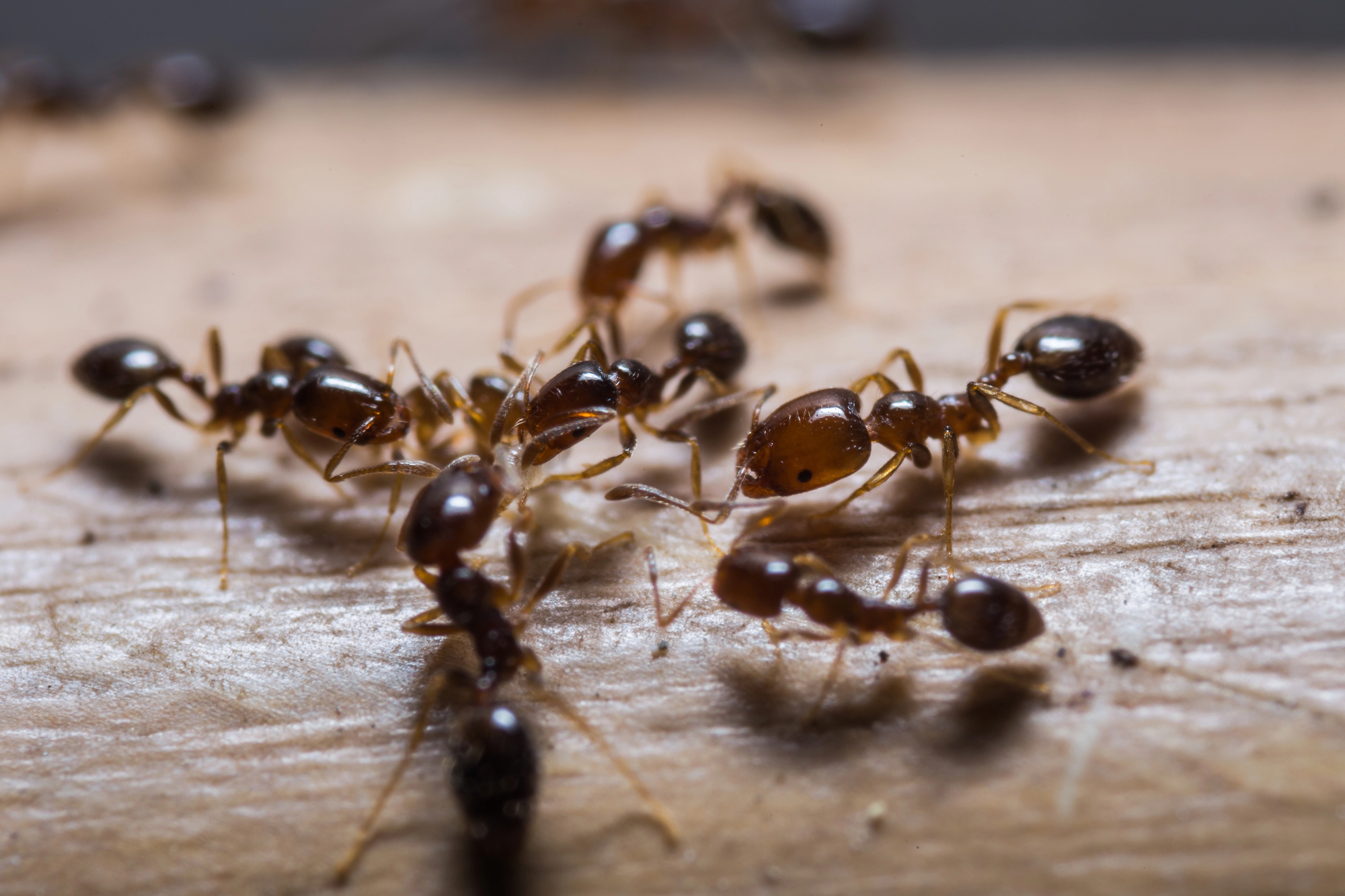
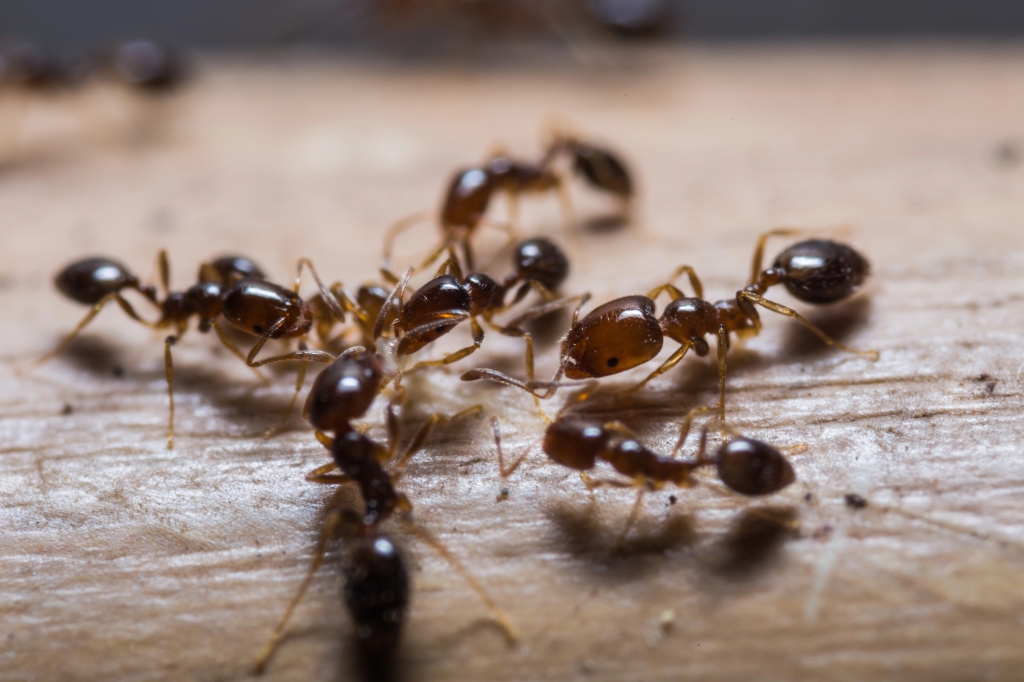
Fire ants present both nuisance and safety concerns, particularly in areas used by children and residents with mobility limitations. Colonies can establish quickly in turf and planting beds, especially following rain events.
A proactive fire ant strategy includes:
- Routine inspection of turf and bed edges near amenity spaces
- Early mound identification and targeted treatment
- Seasonal baiting programs to reduce colony populations
- Avoiding disturbance patterns that encourage colony relocation
Timely intervention helps prevent widespread infestations and reduces emergency treatment costs.
Coordinating Pest Control With Irrigation and Drainage Management
Water management directly influences mosquito and fire ant activity. Over-irrigation, drainage issues, and soil saturation can create ideal conditions for both pests.
Integrated planning should involve:
- Adjusting irrigation schedules during rainy periods
- Inspecting swales and low-lying turf areas for standing water
- Monitoring soil moisture levels around playgrounds and gathering areas
- Coordinating fertilization and turf health programs to maintain dense, resilient groundcover
Alignment across services improves long-term pest suppression and reduces repeated treatments.
Risk Management and Resident Communication
For HOA boards and property managers, pest control in amenity areas is also a risk management issue. Clear documentation of inspection schedules, treatment protocols, and response timelines supports:
- Reduced liability exposure
- Transparent communication with residents
- Budget predictability
- Compliance with local and environmental guidelines
A structured pest management plan demonstrates proactive oversight rather than reactive response.
Maintaining Safe and Comfortable Community Spaces
Vision Landscapes partners with HOA boards and commercial property managers throughout Naples, Fort Myers, Bonita Springs, Estero, and Port Charlotte to implement integrated pest management strategies designed to protect high-use amenity areas. Through targeted monitoring, habitat management, and responsible treatment applications, Vision Landscapes helps communities maintain safe, comfortable outdoor environments year-round.
To review your amenity area pest management strategy or schedule an inspection, contact us to connect with our team.