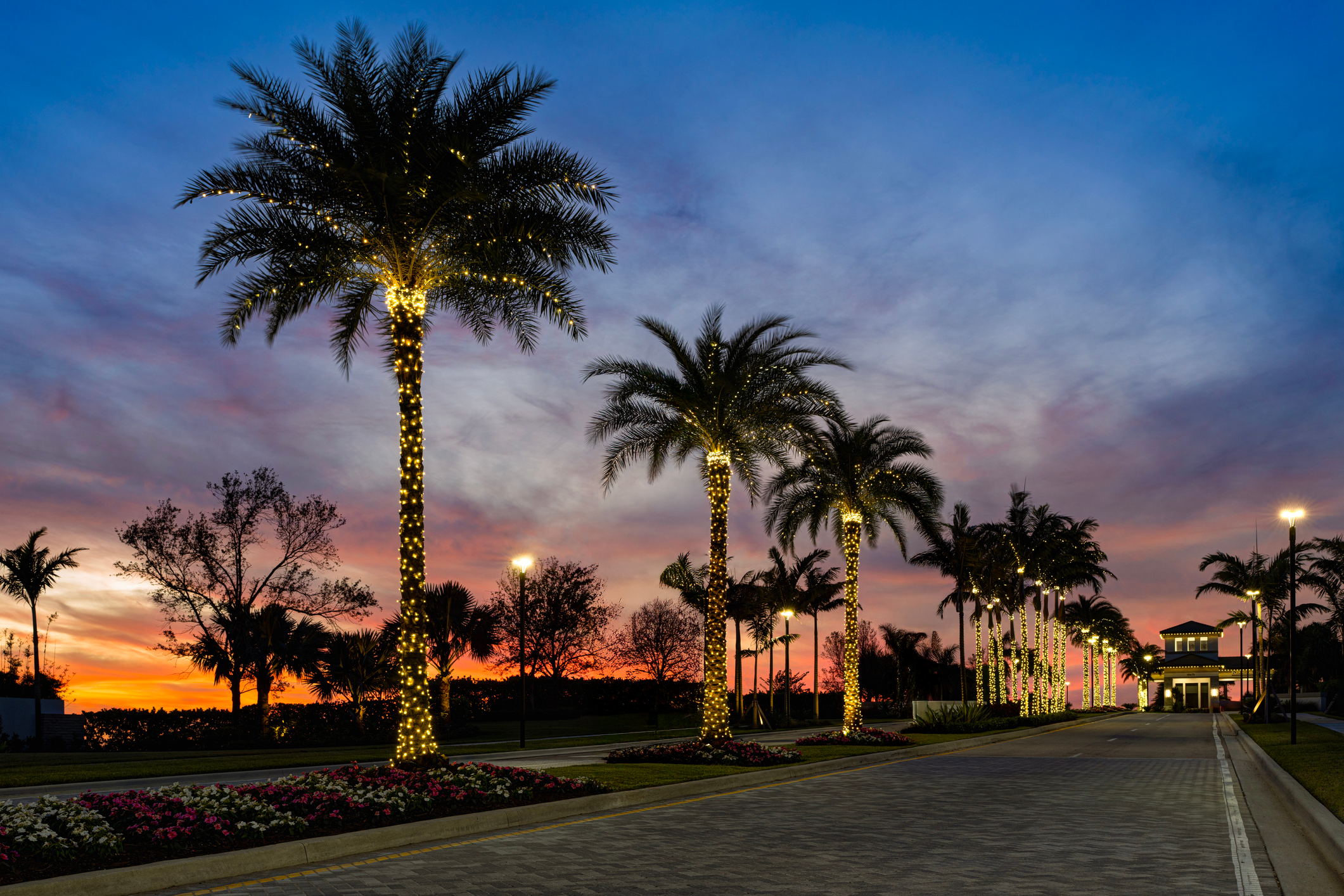
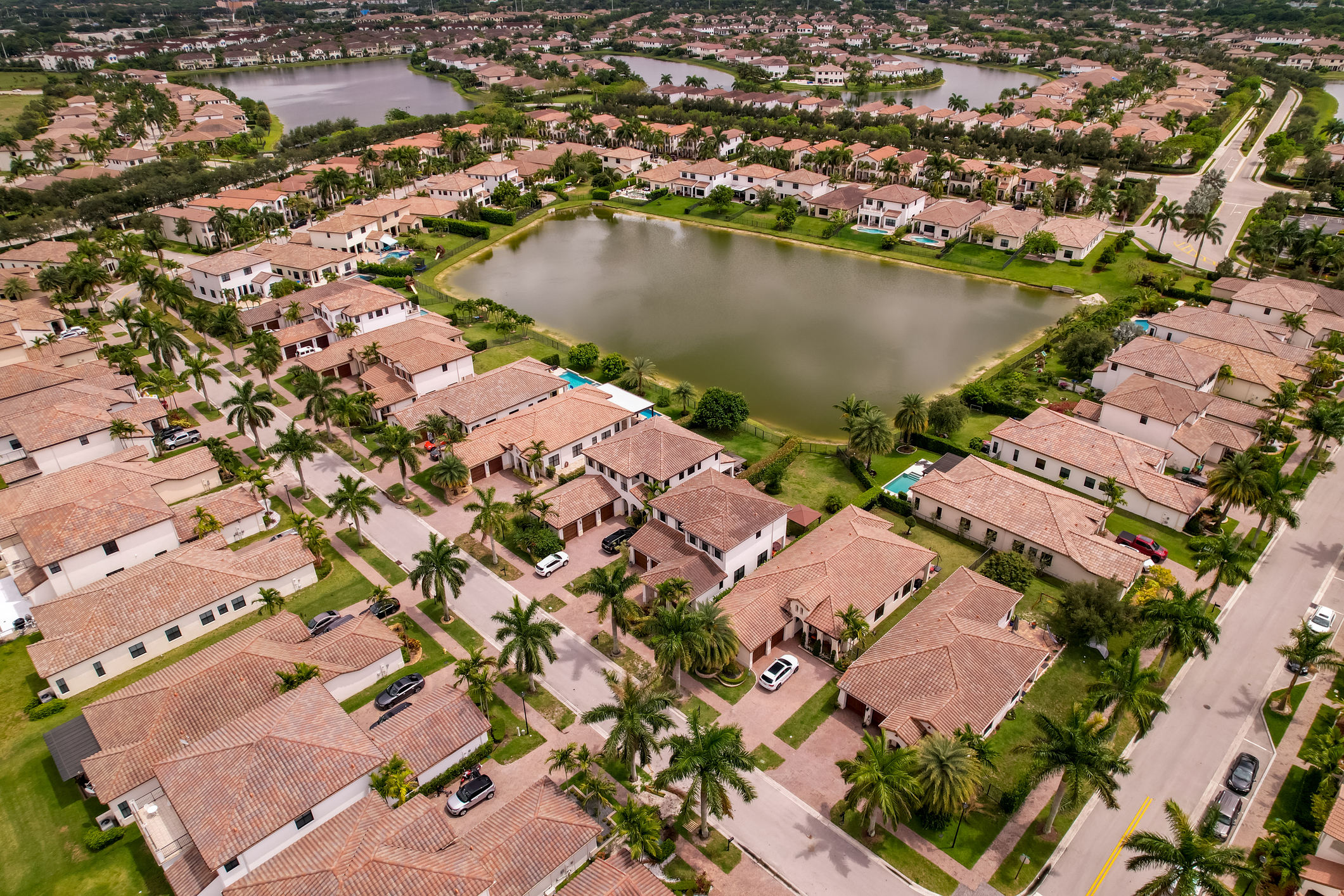
Landscape medians and roadway corridors are among the most visible and operationally sensitive areas within HOA communities and commercial properties. They frame entrances, guide traffic flow, and influence first impressions. At the same time, these areas must meet strict safety expectations related to visibility, pedestrian awareness, and emergency access.
Thoughtful plant selection and disciplined maintenance planning are essential to balancing aesthetics with safety and long-term performance. When medians are designed or maintained without considering line-of-sight requirements and growth patterns, they can create avoidable hazards and ongoing maintenance burdens.
Visibility as a Primary Design Standard
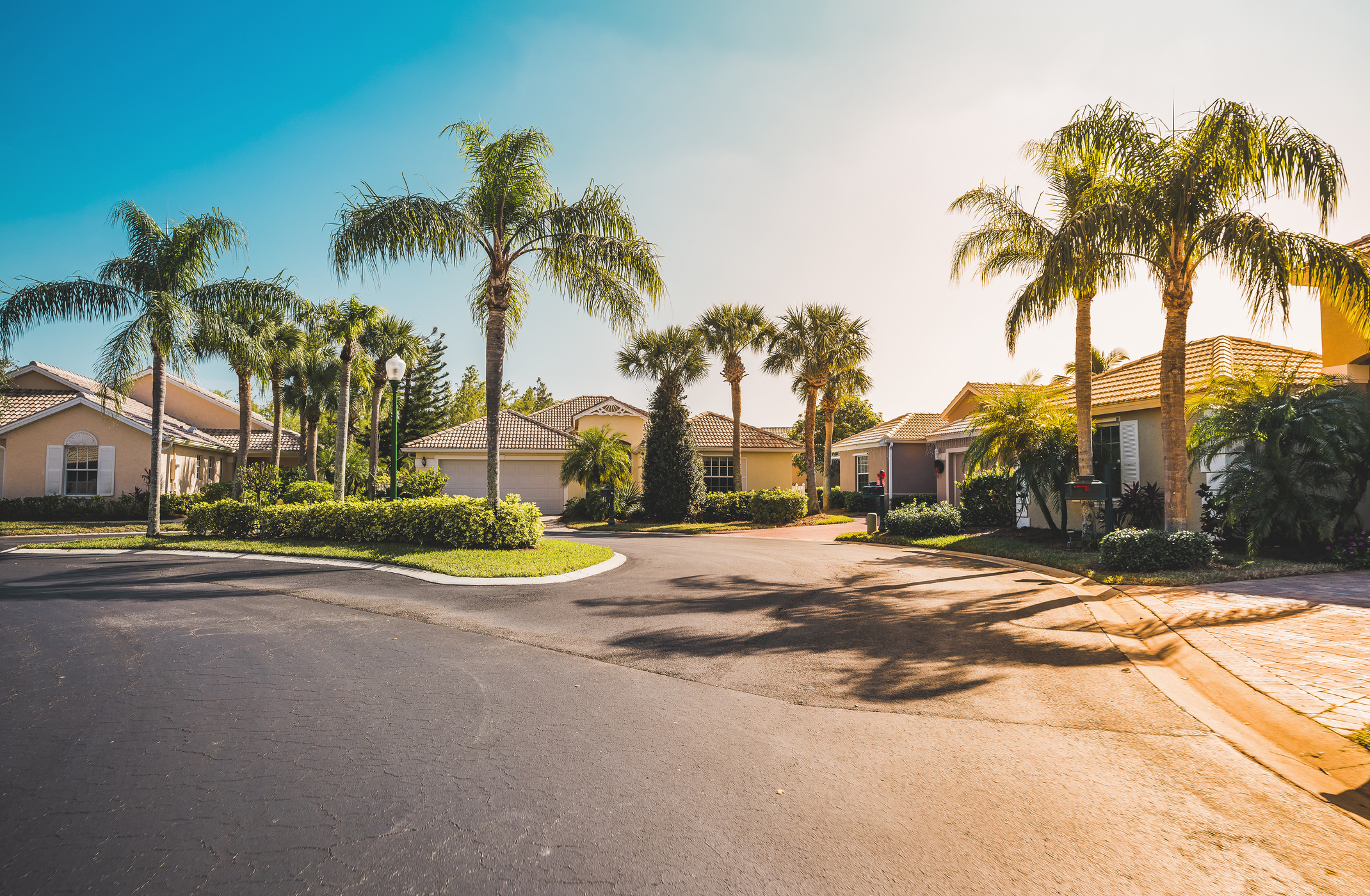
Clear sightlines at intersections, gatehouses, and internal roadway crossings are critical for both drivers and pedestrians. Overgrown shrubs, low-hanging tree limbs, and dense ornamental groupings can obstruct views of oncoming traffic, cyclists, or residents using crosswalks.
A well-managed roadway landscape prioritizes appropriate plant heights, controlled canopy structure, and consistent pruning cycles. Mature plant size—not just installation size—must guide spacing decisions. Trees should be structurally pruned to maintain elevated canopies that preserve visibility beneath them, while shrub layers should be selected and maintained within safe height thresholds.
In high-traffic communities, visibility management is not simply an aesthetic consideration; it is a liability and risk management issue.
Plant Selection for Durability and Low Obstruction
Roadway and median environments present unique stress conditions. Reflected heat from pavement, compacted soils, limited root zones, vehicle exhaust, and irrigation constraints all influence plant performance.
Successful plant selection prioritizes species that are drought-tolerant, wind-resilient, and capable of thriving in confined spaces without excessive vertical or horizontal growth. Groundcovers and lower-profile ornamental plantings are often more appropriate near intersections, while carefully spaced canopy trees can provide shade without obstructing sightlines.
Avoiding aggressive root systems near curbing and hardscape also reduces long-term infrastructure damage and repair costs.
Maintenance Discipline and Growth Management
Even the most appropriate plant palette can become problematic without structured maintenance oversight. Roadway landscapes require consistent monitoring to prevent gradual encroachment into sight triangles and pedestrian corridors.
Routine evaluations should address canopy clearance, shrub height control, turf edge definition, and irrigation overspray onto pavement. Overgrown medians not only reduce visibility but can also create debris accumulation and drainage interference during heavy rainfall.
Integrating median maintenance into a formal inspection schedule helps ensure that safety standards remain intact throughout the year rather than being corrected reactively.
Balancing Aesthetics With Operational Safety
HOA boards and commercial property managers often seek visually impactful entry corridors that reinforce community identity. This objective can be achieved without compromising safety when design and maintenance are aligned.
Layered plantings, seasonal color rotations, and architectural focal points can be incorporated strategically outside critical sightlines. Proper spacing, scale awareness, and long-term growth projections allow communities to maintain strong curb appeal while protecting drivers, pedestrians, and cyclists.
When aesthetics and safety are considered together from the outset, roadway landscapes become assets rather than liabilities.
Long-Term Cost Control Through Smart Planning
Correcting visibility issues after plants mature often requires aggressive pruning, removal, or redesign—each of which carries added expense. Proactive planning and species selection reduce the need for disruptive corrective work and support predictable maintenance budgets.
Well-designed medians also contribute to reduced accident risk, lower insurance exposure, and improved resident satisfaction. These benefits extend beyond visual appeal and directly support responsible community management.
Strategic Roadway Landscape Management
Vision Landscapes partners with HOA boards and commercial property managers throughout Naples, Fort Myers, Bonita Springs, Estero, and Port Charlotte to design and maintain roadway and median landscapes that balance beauty, durability, and safety. Through thoughtful plant selection, structural pruning, and disciplined maintenance planning, Vision Landscapes helps communities protect visibility standards while enhancing overall property presentation.
To review your roadway landscape conditions or discuss improvement strategies, contact us to connect with our team.