

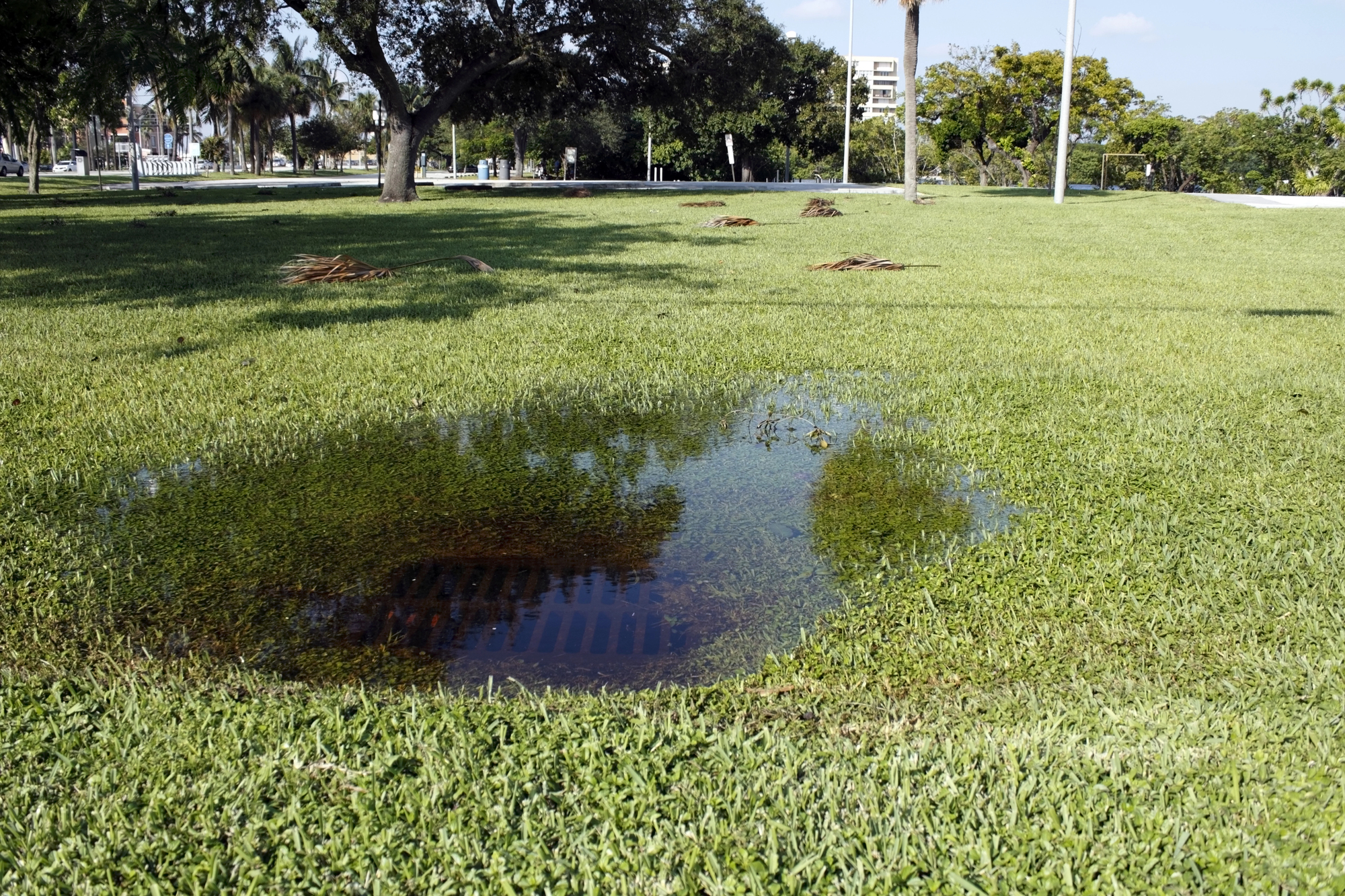
As rainfall patterns intensify during Florida’s rainy season, landscape drainage systems are placed under significant stress. For HOA communities and commercial properties, inadequate drainage can quickly lead to turf loss, erosion, plant decline, mosquito concerns, and even structural damage to hardscape and adjacent infrastructure.
Proactive drainage inspections and swale rehabilitation before peak rainfall begins help protect landscape performance, reduce liability exposure, and prevent costly mid-season repairs.
Why Early Drainage Assessments Matter
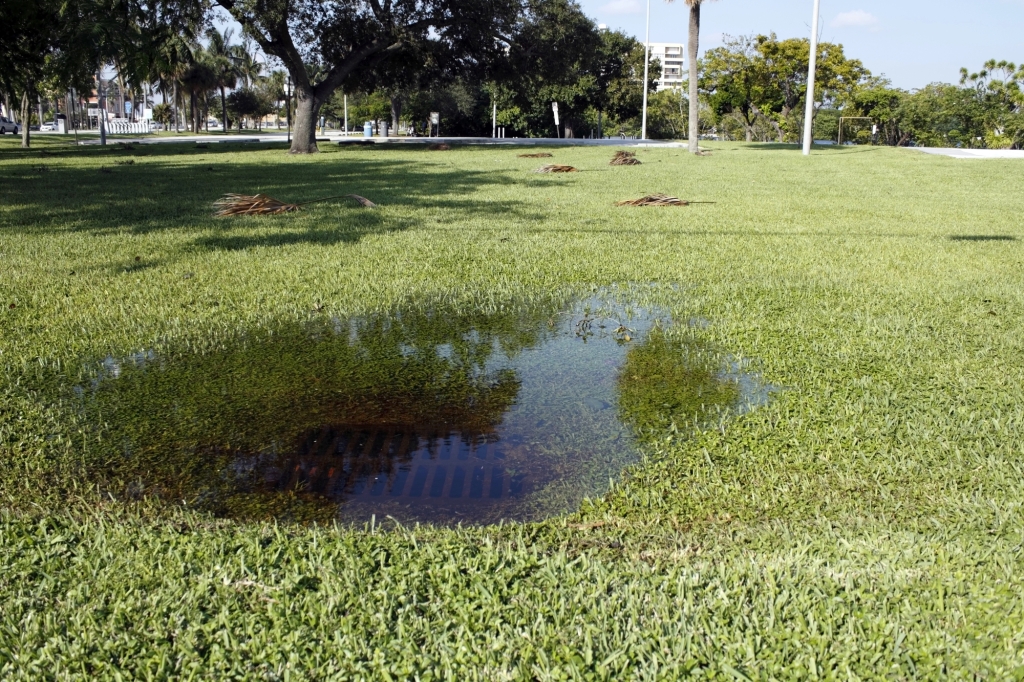
Drainage problems often develop gradually and become visible only after extended rain events. By the time standing water or washouts appear, turf roots may already be compromised.
Early-season inspections help identify:
- Depressions or low areas holding water
- Compacted soil restricting percolation
- Eroded swales or uneven grading
- Blocked catch basins and drainage inlets
- Landscape beds redirecting water flow unintentionally
Addressing these issues before heavy rainfall reduces emergency service calls and turf replacement costs.
Swales: A Critical but Overlooked Drainage Component
Swales are engineered landscape channels designed to move stormwater safely through a property. When properly graded and maintained, they prevent flooding and soil erosion while protecting foundations and paved surfaces.
Over time, swales can deteriorate due to:
- Soil settlement and erosion
- Vehicle traffic or maintenance equipment compaction
- Sediment buildup
- Turf thinning or root decline
Routine rehabilitation may include regrading, soil amendments, turf reinforcement, and correcting edge transitions to restore intended water flow.
The Impact of Poor Drainage on Turf and Plant Health
Extended soil saturation affects more than surface appearance. It can lead to:
- Root rot and oxygen deprivation
- Increased fungal disease pressure
- Nutrient leaching and turf discoloration
- Weak root systems prone to failure during storms
For HOA boards and property managers, recurring drainage issues often translate into repeated repair expenses and resident complaints.
Coordinating Drainage With Irrigation and Storm Planning
Drainage systems must work in coordination with irrigation programming and broader storm preparedness efforts. Overwatering prior to heavy rain events can worsen flooding and destabilize turf.
A comprehensive approach includes:
- Reviewing irrigation schedules before peak rainfall
- Verifying rain sensors and shutoff devices are operational
- Inspecting grading around landscape renovations
- Integrating drainage review into hurricane season planning
Alignment across systems reduces compounded stress during prolonged rain events.
Budget Planning and Long-Term Cost Control
Drainage rehabilitation is significantly more cost-effective when performed proactively rather than as an emergency response. Scheduled inspections and minor grading corrections prevent:
- Large-scale turf replacement
- Hardscape undermining or settlement
- Tree instability caused by saturated root zones
- Repeated patchwork repairs
Planning these improvements before the rainy season supports predictable budgeting and long-term landscape stability.
Strengthening Landscape Infrastructure with Vision Landscapes
Vision Landscapes works with HOA boards and commercial property managers throughout Naples, Fort Myers, Bonita Springs, Estero, and Port Charlotte to assess drainage performance, rehabilitate swales, and protect landscape infrastructure ahead of peak rainfall periods. Through proactive site evaluations and coordinated water management strategies, Vision Landscapes helps communities reduce flooding risk and maintain healthy, resilient landscapes.
To schedule a drainage assessment or review your property’s rainy season readiness, contact us to connect with our team.

