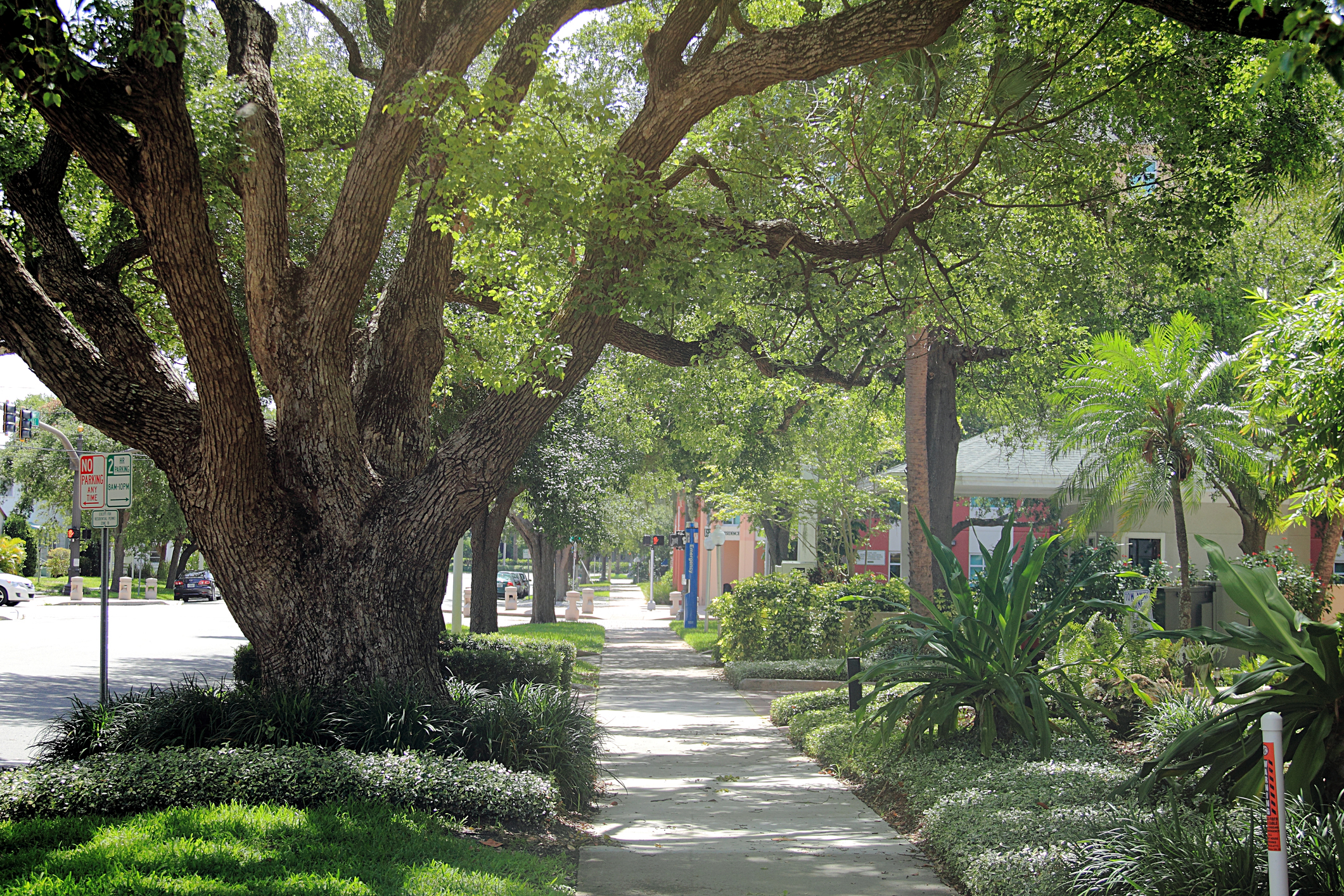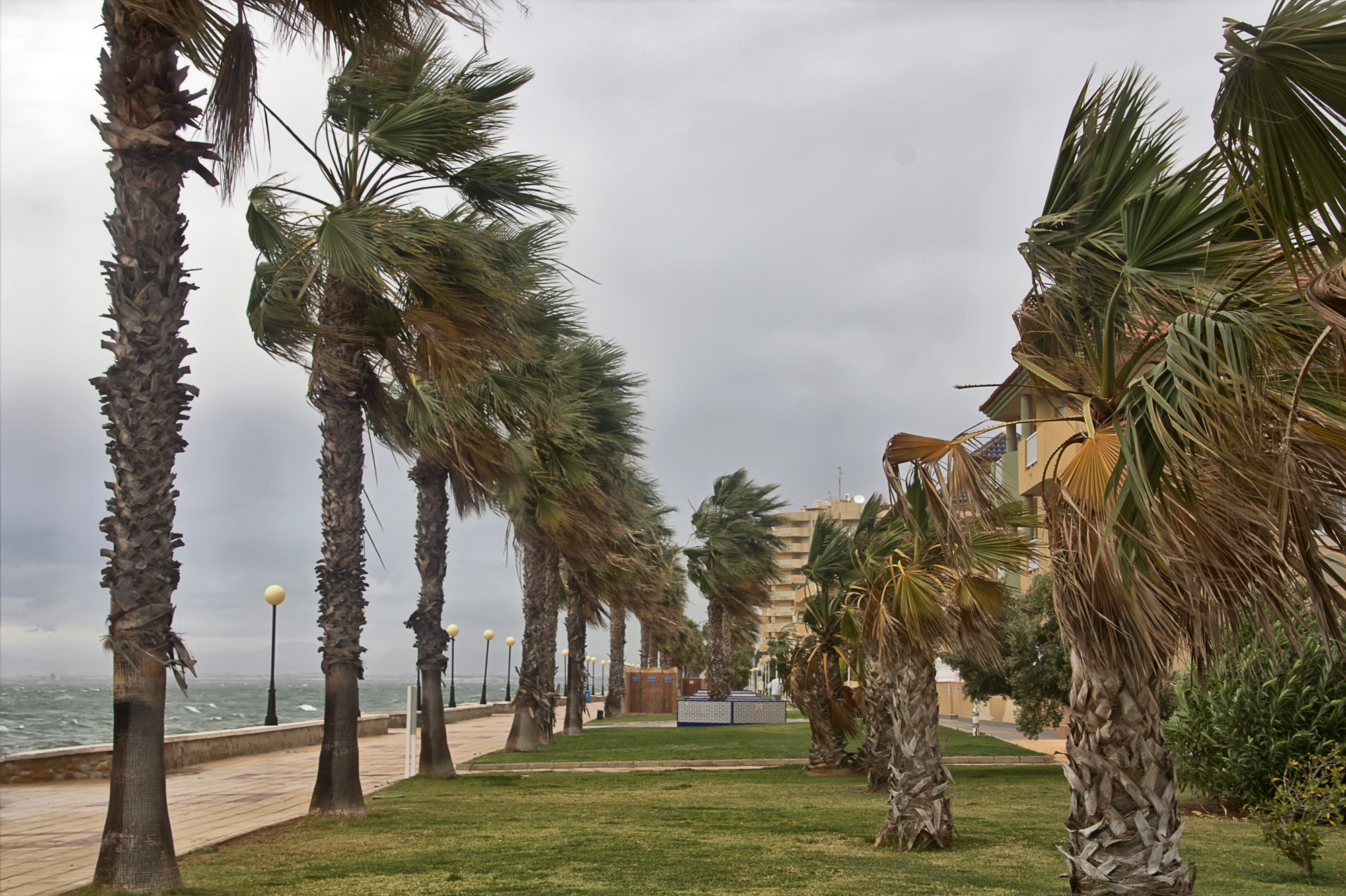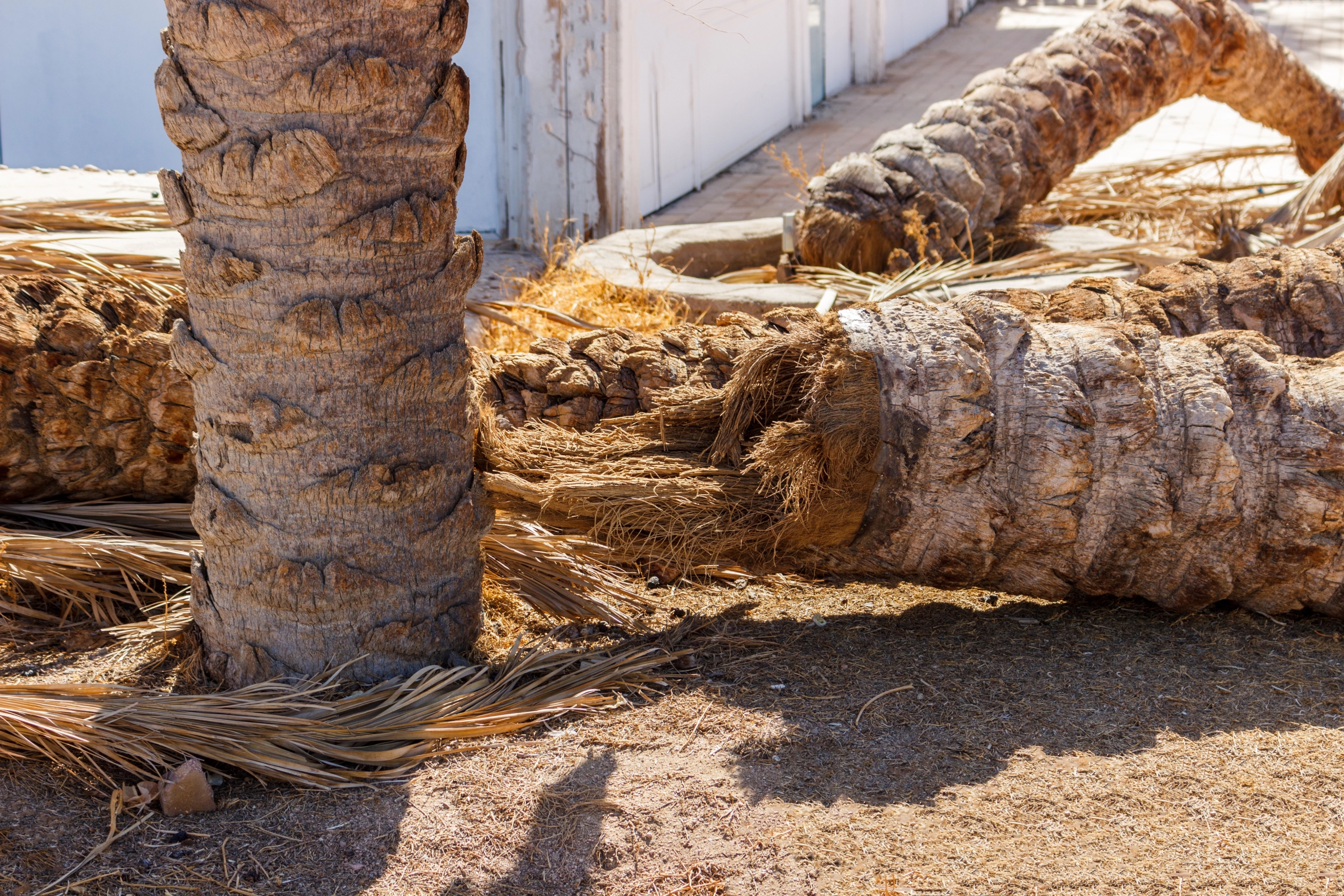
Hurricane season presents significant challenges for HOA communities and commercial properties throughout Southwest Florida. While landscape preparation often focuses on irrigation, drainage, and debris management, tree risk assessments are equally important for protecting residents, infrastructure, and property assets.
Mature trees provide shade, beauty, and environmental benefits, but trees with structural defects, declining health, or improper growth patterns can become significant liabilities during severe weather. Proactive tree assessments help identify potential hazards before storms arrive, reducing risk and supporting faster recovery after major weather events.
Why Tree Risk Assessments Matter
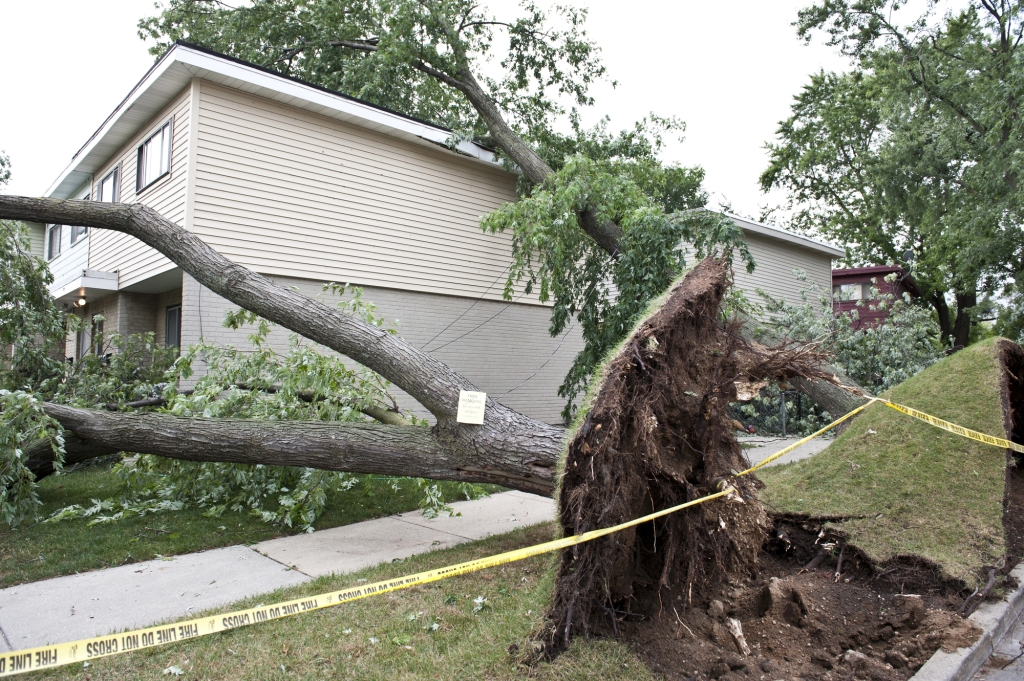
High winds, saturated soils, and extended rainfall can expose weaknesses that may not be apparent during normal conditions. Trees with compromised root systems, structural defects, or excessive canopy weight are more susceptible to failure during hurricanes and tropical storms.
Potential consequences include:
- Damage to buildings and amenities
- Blocked roadways and emergency access routes
- Vehicle and infrastructure damage
- Increased cleanup and removal costs
- Safety risks for residents and staff
Identifying concerns before storm season allows property managers to take corrective action under controlled conditions rather than responding to emergencies after a storm.
Common Tree Risk Factors
Not all tree failures are caused by extreme weather alone. Many failures occur because pre-existing issues are amplified during storm events.
Common risk factors include:
- Dead or declining limbs
- Multiple trunk leaders with weak attachments
- Excessive canopy density
- Root damage from construction or soil compaction
- Signs of decay or internal deterioration
- Trees growing too close to structures or utilities
Routine inspections help determine whether pruning, treatment, monitoring, or removal may be necessary.
The Importance of Structural Pruning
Structural pruning is one of the most effective tools for reducing tree-related storm risks. Proper pruning helps improve branch architecture, reduce excess weight, and encourage stronger growth patterns over time.
Benefits of structural pruning include:
- Improved wind resistance
- Reduced limb failure potential
- Better canopy balance
- Enhanced tree health
- Improved clearance around roads and walkways
Pruning decisions should be based on tree species, age, condition, and long-term management goals.
Evaluating Trees Near Critical Infrastructure
Particular attention should be given to trees located near:
- Clubhouses and amenity centers
- Entry monuments and gatehouses
- Parking lots
- Roadways and sidewalks
- Utility corridors
- Retention ponds and drainage systems
Failure in these areas can disrupt operations, create safety hazards, and significantly increase recovery costs following a storm.
A property-wide assessment helps prioritize risk mitigation efforts and allocate maintenance resources effectively.
Long-Term Benefits of Proactive Tree Management
Tree risk assessments provide benefits beyond hurricane preparedness. Regular evaluations support healthier trees, more predictable maintenance budgets, and improved landscape planning.
By identifying issues early, HOA boards and property managers can often address concerns through selective pruning and monitoring rather than costly emergency removals.
A proactive approach also helps preserve valuable mature trees that contribute significantly to community appearance and property value.
Supporting Community Safety and Resilience
Hurricane preparedness involves more than reacting to weather forecasts. Communities that incorporate tree risk assessments into their annual landscape planning process are often better positioned to withstand severe weather and recover more efficiently afterward.
Integrating tree management into broader storm preparedness plans helps reduce uncertainty and supports safer, more resilient properties.
Schedule a Tree Risk Assessment
Vision Landscapes partners with HOA boards and commercial property managers throughout Naples, Fort Myers, Bonita Springs, Estero, and Port Charlotte to evaluate tree health, identify potential hazards, and develop proactive storm-preparedness strategies. Through professional assessments and strategic arbor care, Vision Landscapes helps communities reduce risk while preserving valuable landscape assets.
To review tree conditions on your property and prepare for hurricane season, contact Vision Landscapes to schedule a tree risk assessment.