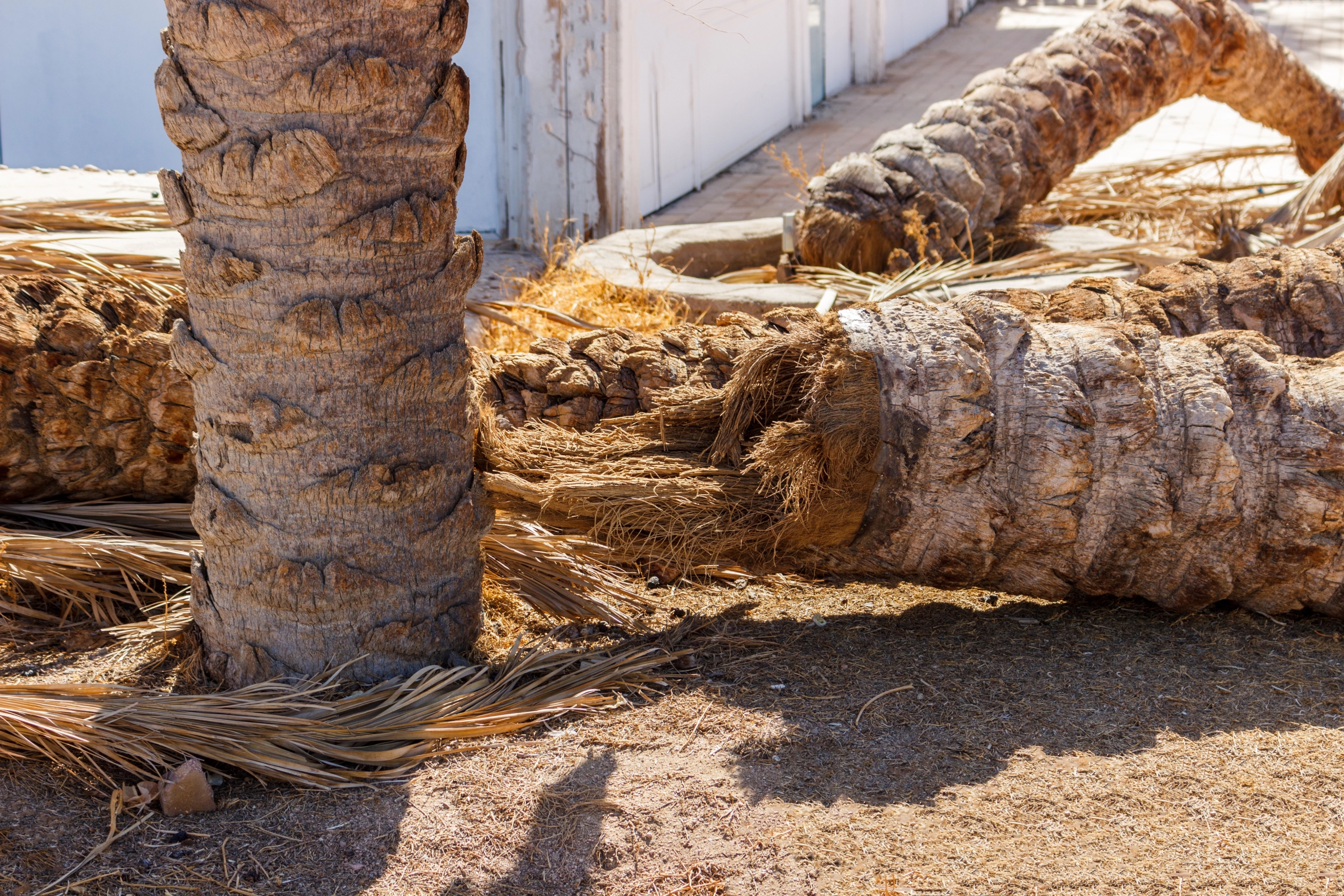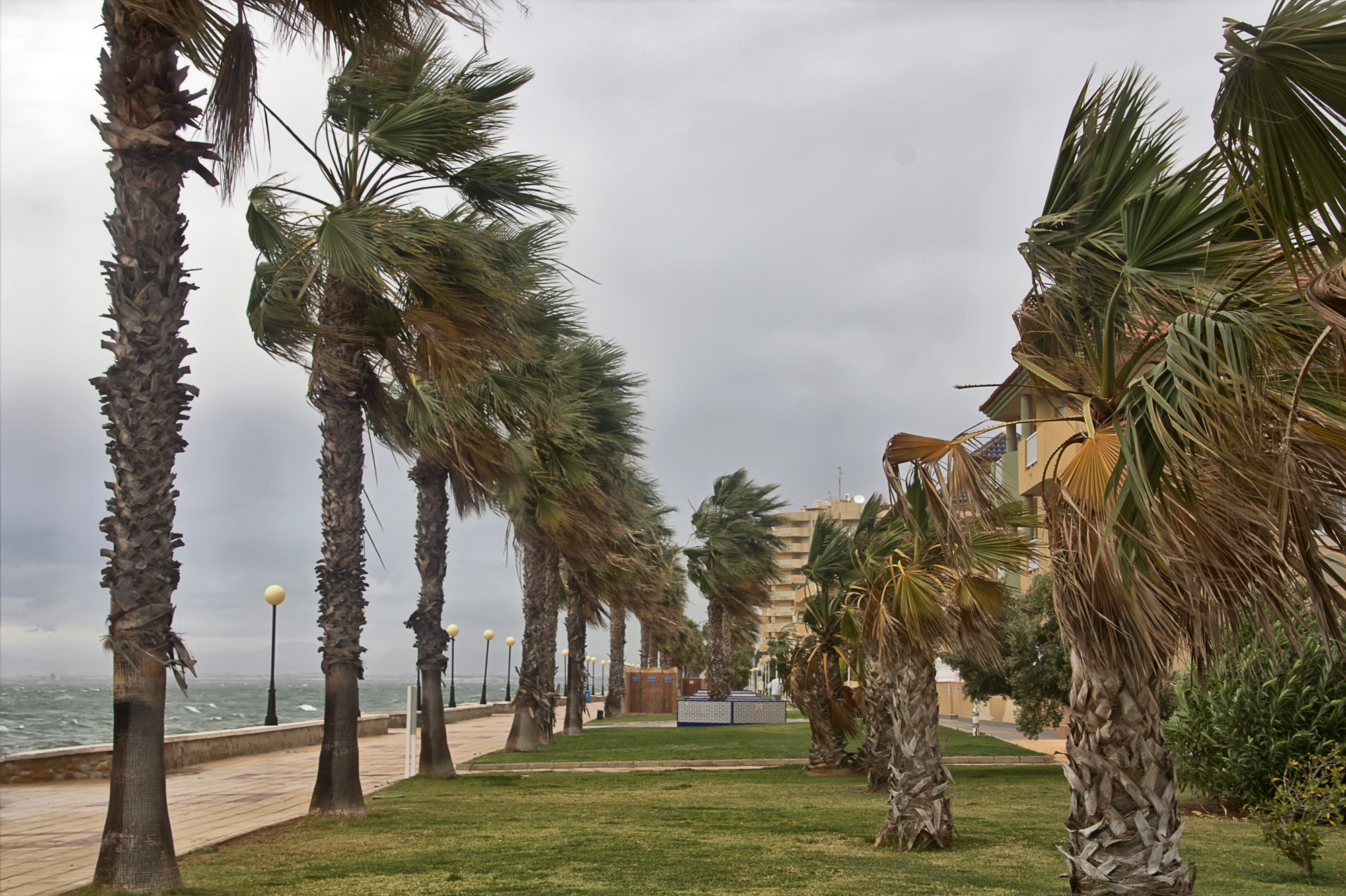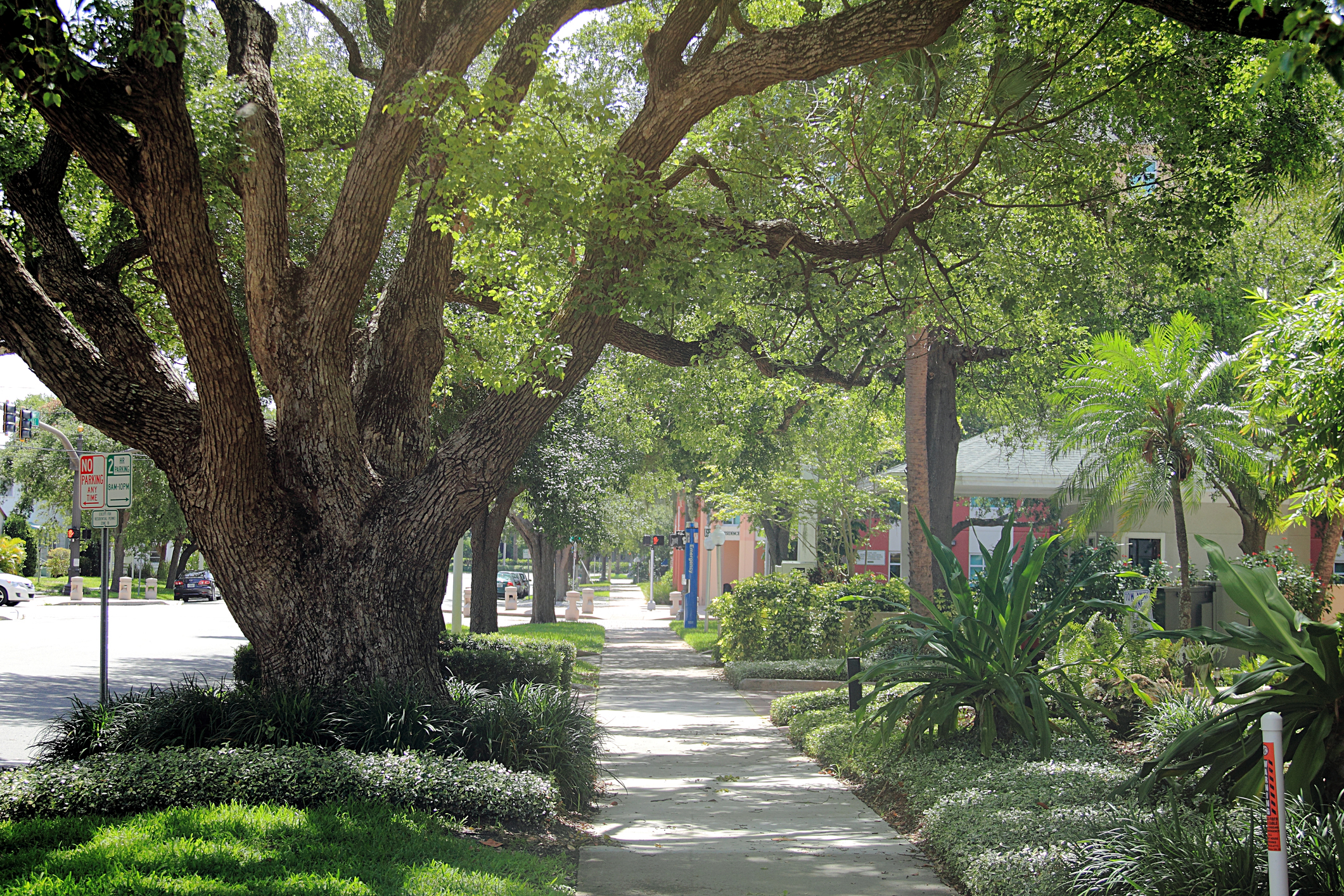
High-wind events are a recurring reality for HOA communities and commercial properties in Florida. While no landscape can be made storm-proof, proper structural pruning is one of the most effective strategies for reducing tree failures, limiting debris, and protecting people and property during severe weather.
Structural pruning is not cosmetic trimming. It is a deliberate, long-term arbor care practice designed to improve tree strength, balance, and wind resistance—making it a critical component of landscape risk management.
What Is Structural Pruning?
Structural pruning focuses on developing and maintaining a strong, stable tree structure over time. The goal is to guide growth so trees can better withstand wind forces rather than reactively removing damage after storms.
Key objectives of structural pruning include:
- Establishing a dominant central leader
- Reducing weak or competing branch attachments
- Correcting poor branch spacing and angles
- Balancing canopy weight for improved stability
- Removing dead, damaged, or high-risk limbs
This approach differs significantly from routine trimming or aesthetic shaping.
Why Structural Pruning Matters for Wind Resilience
Trees with poor structure are far more likely to fail during high winds. Common structural problems include co-dominant leaders, dense canopies, excessive end weight, and included bark at branch unions.
Without correction, these issues can lead to:
- Large limb failures
- Uprooting or trunk splitting
- Blocked roadways and emergency access points
- Damage to buildings, vehicles, and irrigation systems
- Increased liability exposure for HOA boards
Structural pruning addresses these vulnerabilities before storm conditions expose them.
Timing and Frequency Are Critical
Structural pruning is most effective when performed proactively and on a scheduled basis. Younger and mid-aged trees benefit significantly from early corrective pruning, which reduces the need for aggressive cuts later in life.
Best practice considerations include:
- Performing pruning outside peak storm season when possible
- Avoiding excessive removal that weakens trees
- Coordinating pruning cycles based on species, age, and location
- Integrating pruning plans into annual maintenance budgets
Waiting until trees are overgrown or failing increases both cost and risk.
Palms Require a Different Approach
Palms respond differently to wind and pruning than shade trees. Improper pruning—such as over-thinning or removing healthy fronds—can increase wind resistance and structural stress.
Wind-resilient palm care focuses on:
- Removing only dead or hazardous fronds
- Maintaining proper canopy balance
- Avoiding over-pruning that exposes the trunk
- Addressing nutritional deficiencies that weaken structure
Palm pruning should always follow species-specific and Florida arbor care standards.
Structural Pruning as a Risk Management Strategy
For HOA boards and commercial property managers, structural pruning is not just a maintenance item—it is a risk mitigation investment. Proper pruning supports:
- Improved tree performance during storms
- Reduced emergency cleanup and restoration costs
- Safer common areas, roadways, and entrances
- Healthier trees with longer service life
- More predictable maintenance planning
Documented pruning programs also support insurance discussions and post-storm reporting.
Partnering with Qualified Arbor Professionals
Effective structural pruning requires trained crews, proper equipment, and a clear understanding of tree biomechanics. Improper cuts or excessive removal can increase failure risk rather than reduce it.
Vision Landscapes works with HOA boards and commercial property managers throughout Naples, Fort Myers, Bonita Springs, Estero, and Port Charlotte to provide professional arbor care services focused on wind resilience, safety, and long-term landscape value.
To schedule a tree risk assessment or discuss a structural pruning plan, contact Vision Landscapes at 888.502.2113 or support@visionlandscapeservices.com.