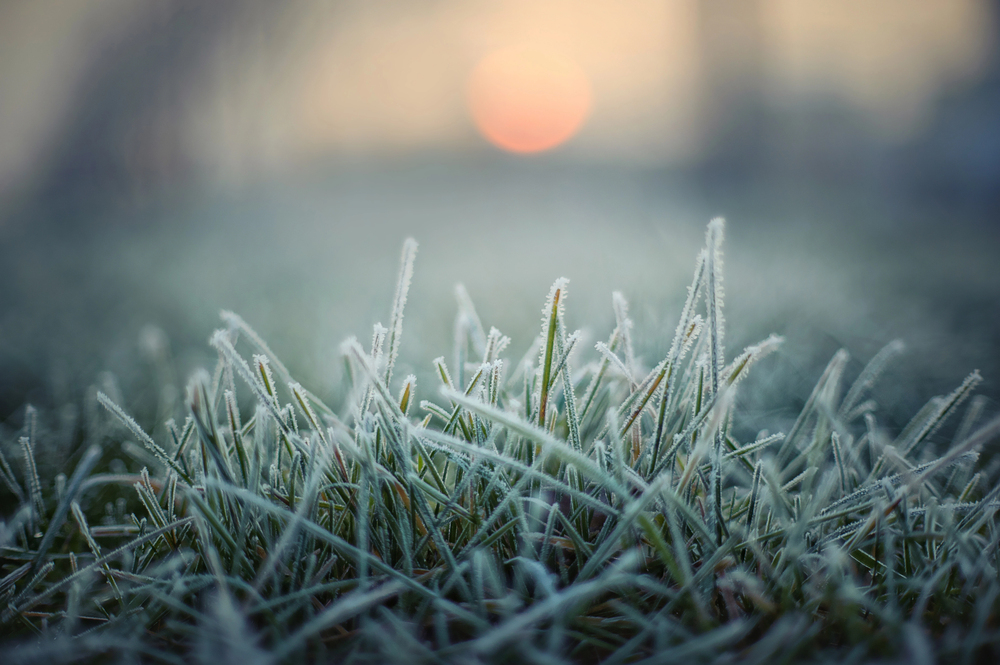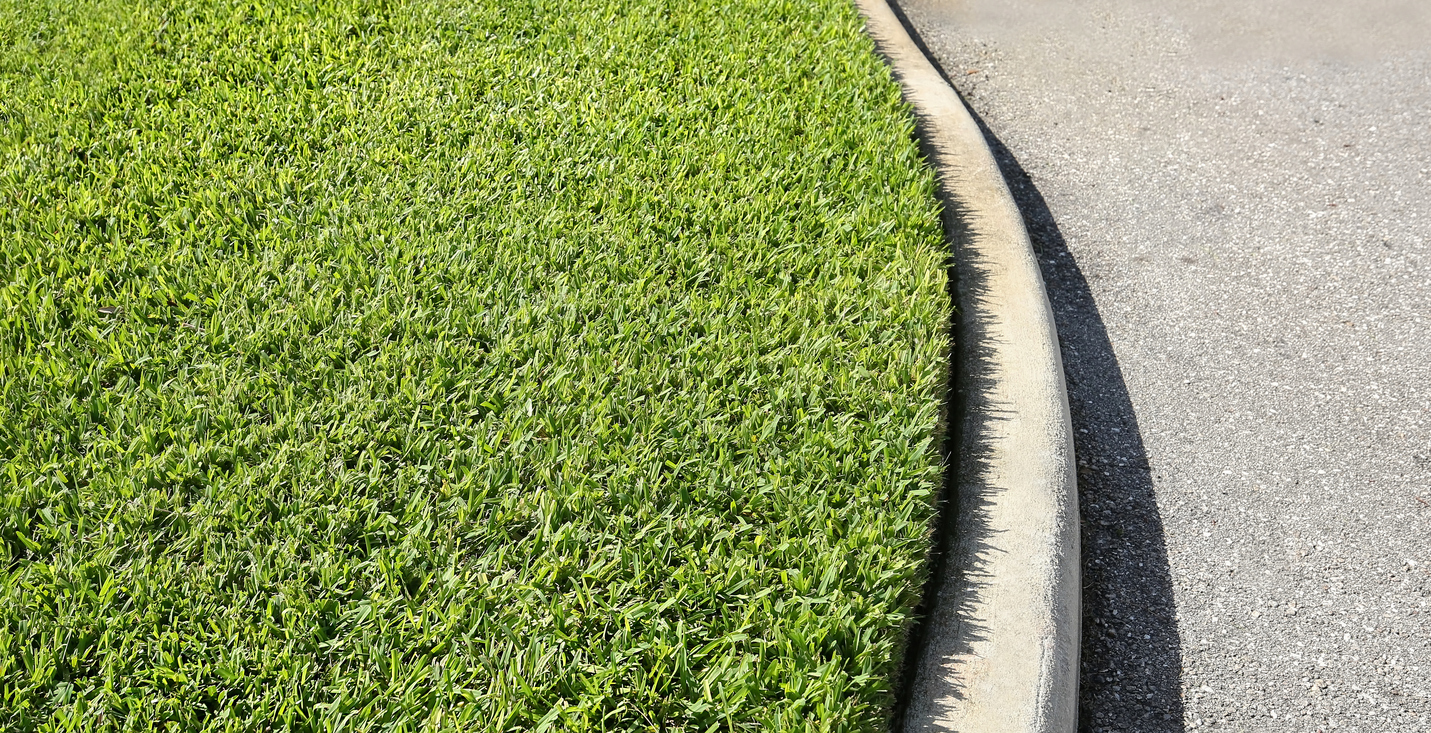
Winter turf care in Southwest Florida requires a different approach than the rest of the year. While warm-season grasses like St. Augustine and Zoysia remain durable, they naturally slow their growth during cooler months due to shorter daylight hours and lower nighttime temperatures.
For HOAs and commercial properties, winter is the ideal season to shift from “growth-focused” turf maintenance to a strategy centered on protection, weed prevention, and preparation for spring recovery. When winter turf is managed correctly, properties see fewer weeds, reduced stress damage, and faster green-up when spring arrives.
Understanding Winter Turf Behavior
Even in Southwest Florida, turf does not behave the same in January as it does in July. Cooler conditions reduce growth rates, which means:
- Turf absorbs fertilizer more slowly
- Water demand drops significantly
- Mowing frequency decreases
- Recovery from stress and damage takes longer
This is why applying summer turf practices in winter—like heavy fertilization, frequent irrigation, or overly aggressive mowing—can cause more harm than good. Winter turf care is less about pushing growth and more about keeping turf stable, healthy, and resilient until spring.
 Best Practices for Winter Turf Care
1. Adjust Mowing Frequency and Maintain Sharp Blades
Since turf grows more slowly, mowing should be reduced to avoid unnecessary stress. Cutting too often can weaken grass and expose soil, creating openings for weeds.
- Keep mower blades sharp to avoid tearing grass
- Maintain consistent mowing heights for each turf type
- Avoid scalping or cutting too low “to clean it up”
Proper mowing helps protect root strength and turf density throughout the winter season.
2. Use a Smart Winter Fertilization Strategy
Fertilization should be minimal and targeted during winter. Excess nitrogen during cooler months can encourage weak top growth and increase the risk of fungal disease.
Instead, focus on:
- Avoiding unnecessary nitrogen applications
- Timing nutrients carefully based on turf condition
- Supporting overall turf health without forcing growth
For commercial and HOA properties, this also helps prevent wasted budget on fertilizer that won’t be efficiently utilized.
3. Prioritize Weed Control in January
Winter weeds are one of the biggest threats to turf quality this time of year. January is an ideal time to apply pre-emergent and selective weed control, reducing competition before spring growth begins.
Effective winter weed management can help prevent:
- Patchy turf and thinning areas
- Aggressive weed takeover in spring
- Increased renovation costs later in the year
4. Reduce Irrigation and Prevent Overwatering
Overwatering is one of the most common winter turf problems in Southwest Florida. Because evapotranspiration rates drop in cooler weather, irrigation controllers must be adjusted accordingly.
Key winter irrigation steps include:
- Updating controller schedules for seasonal conditions
- Inspecting for leaks or stuck valves
- Avoiding frequent watering unless conditions truly require it
Less water in winter doesn’t mean less turf health—it often means stronger roots and fewer disease issues.
Preparing for Spring Green-Up and Recovery
Communities that manage turf properly during winter typically experience:
- Faster spring green-up
- Fewer bare spots and thinning zones
- Reduced weed pressure
- Lower spring renovation and replacement costs
Winter turf care is an investment in what happens next. Protecting the turf now ensures the property enters spring with a strong foundation—rather than playing catch-up.
Let’s Keep Your Turf Strong All Winter Long
If your HOA or commercial property has St. Augustine or Zoysia turf, winter is the perfect time to tighten up mowing schedules, adjust irrigation, and get ahead of weed pressure before spring arrives. Vision Landscapes helps Southwest Florida communities maintain healthier turf while avoiding costly mistakes that lead to stress, disease, or unnecessary renovation.
🌿 Ready to protect your turf and plan for a stronger spring?
Contact us now to schedule a winter turf evaluation.