

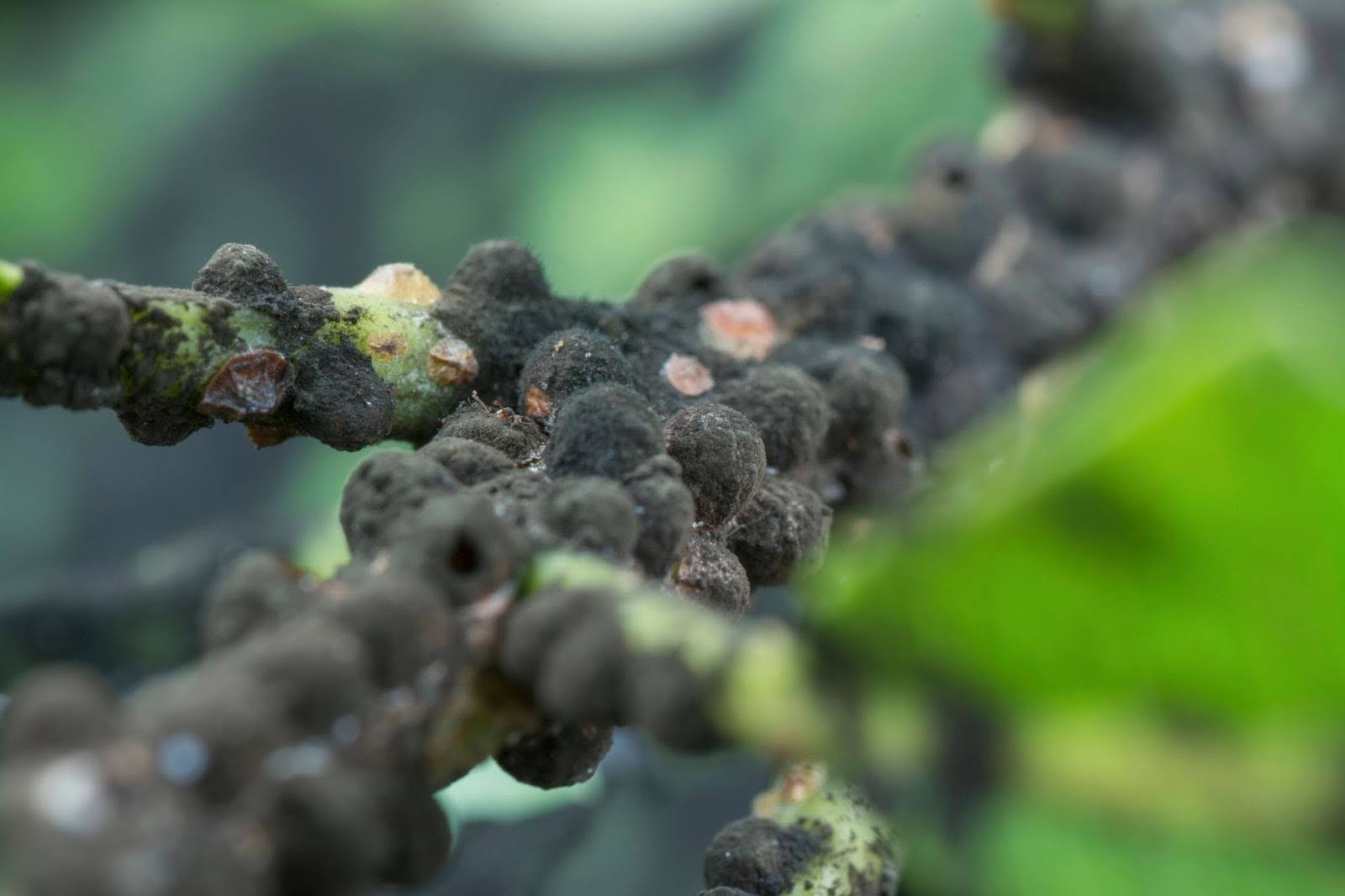
Palms and ornamental plants are defining elements of landscapes throughout Southwest Florida. They provide structure, shade, and visual identity for HOA communities and commercial properties. However, these plants are also highly susceptible to scale insects and the resulting sooty mold—issues that can quickly diminish appearance and plant health if left unmanaged.
Because scale infestations and sooty mold often develop gradually, early detection and proper treatment are critical. A proactive management approach protects valuable landscape assets while reducing the risk of widespread decline and costly replacements.
Understanding Scale Insects on Palms and Ornamentals
Scale insects are small, sap-feeding pests that attach to leaves, stems, and trunks. They are commonly found on palms, shrubs, and flowering ornamentals across Naples, Fort Myers, Bonita Springs, Estero, and Port Charlotte. Because scale insects often resemble small bumps or minor discoloration, infestations are frequently overlooked until visible damage occurs.
Common Signs of Scale Infestation
- Yellowing or stippling on leaves
- Premature leaf drop or thinning canopies
- Sticky residue (honeydew) on foliage or surrounding surfaces
- Reduced plant vigor despite proper irrigation and fertilization
As scale insects feed, they weaken plants and excrete honeydew—a sugary substance that creates ideal conditions for sooty mold development.
What Is Sooty Mold and Why It Matters
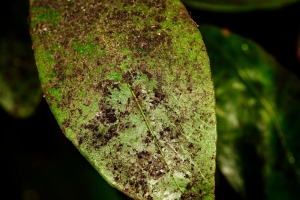
Sooty mold is a black, powdery fungus that grows on honeydew produced by scale insects and other sap-feeding pests. While sooty mold does not directly infect plant tissue, it blocks sunlight and interferes with photosynthesis.
For HOA communities and commercial properties, sooty mold creates several concerns:
- Unsightly black residue on leaves, trunks, sidewalks, and vehicles
- Reduced energy production and plant performance
- Increased stress and long-term decline
- Negative impact on curb appeal in high-visibility areas
Without controlling the underlying insect issue, sooty mold will continue to return—even after cosmetic cleaning.
Why Early Control Is Critical in Southwest Florida
Scale populations can expand rapidly under warm, humid conditions common in Southwest Florida. Once infestations spread across multiple palms or ornamental groupings, treatment becomes more complex, time-intensive, and disruptive.
Early monitoring and intervention help:
- Prevent widespread honeydew and mold accumulation
- Protect palms and ornamentals from chronic stress
- Reduce the need for aggressive or repeated treatments
- Preserve the appearance of entrances, common areas, and amenity spaces
Accurate identification is essential, as scale damage can resemble nutrient deficiencies or environmental stress.
Best Practices for Scale and Sooty Mold Management
1. Regular Monitoring and Inspection
Routine inspections of palms and ornamentals allow for early detection before infestations escalate. This is especially important in shaded areas and dense plantings where airflow is limited.
2. Targeted Treatment Strategies
Effective control typically includes:
- Horticultural oils or insect growth regulators
- Systemic treatments when appropriate
- Product rotation to reduce resistance
- Treatments timed to specific pest life cycles
Blanket spraying is rarely effective and can disrupt beneficial insects, increasing long-term pest pressure.
3. Supporting Overall Plant Health
Healthy plants are more resilient. Proper pruning, irrigation management, and nutrition reduce stress and improve recovery following treatment.
Long-Term Benefits for HOAs and Commercial Properties
A proactive scale and sooty mold management program delivers measurable benefits:
- Healthier palms and ornamentals
- Cleaner foliage and improved visual consistency
- Reduced recurrence of pest issues
- Lower long-term replacement and renovation costs
- Stronger curb appeal throughout the year
This approach aligns with Integrated Pest Management (IPM) principles, balancing effective control with responsible, site-specific treatments.
Protect Your Palms and Ornamentals Before Damage Spreads
Scale insects and sooty mold can quietly undermine the health and appearance of landscapes across your property. Vision Landscape works with HOA boards and commercial property managers throughout Naples, Fort Myers, Bonita Springs, Estero, and Port Charlotte to provide proactive monitoring and targeted pest management solutions tailored to Southwest Florida conditions.
To schedule a landscape evaluation or discuss an integrated pest management plan, contact Vision Landscape at (888) 502-2113 or info@visionlandscapeservices.com.

