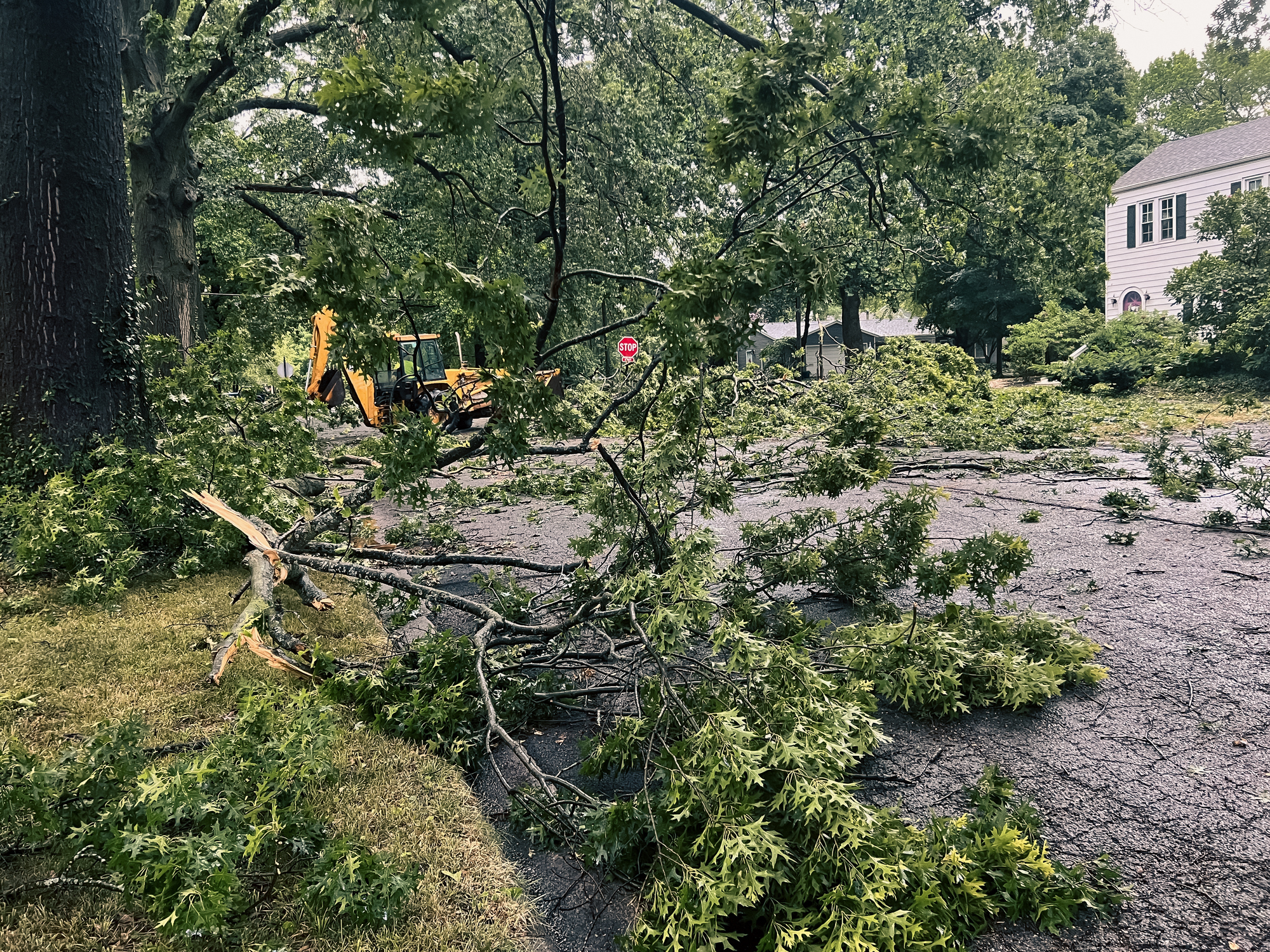
Severe weather events can generate significant landscape debris, creating immediate safety concerns and operational disruption for HOA communities and commercial properties. Downed trees, palm fronds, broken limbs, and displaced materials must be addressed quickly and strategically to restore access, reduce liability, and protect landscape assets.
A clearly defined debris staging and vendor coordination plan—established before storm season—allows boards and property managers to transition from emergency response to structured recovery with greater efficiency, cost control, and accountability.
The Operational Risks of Poor Debris Planning
Without an established plan, post-storm cleanup efforts can lead to:
- Obstructed entrances and restricted emergency access
- Secondary damage to turf, irrigation systems, and drainage infrastructure
- Confusion between landscape contractors, hauling vendors, and municipal services
- Delays in insurance documentation and claims processing
- Escalating labor and disposal costs
Strategic planning minimizes these risks and supports faster property stabilization.
Establishing Designated Debris Staging Areas Before Storm Season
Pre-identifying staging locations is one of the most important steps in organized storm recovery.
Key Considerations When Selecting Staging Areas
Designated debris zones should:
- Provide safe access for hauling trucks and heavy equipment
- Minimize compaction damage to turf and root systems
- Avoid drainage swales, retention ponds, and water management areas
- Remain clear of roadways, sidewalks, and resident parking
- Protect high-visibility entry features and monument landscaping
Documenting and reviewing these locations with vendors before hurricane season reduces confusion when rapid action is required.
Protecting Irrigation, Drainage, and Landscape Infrastructure
Storm debris removal often requires loaders, grapple trucks, chainsaws, and hauling equipment. Without coordinated routing and supervision, these operations can damage:
- Irrigation lines, valve boxes, and controllers
- Drainage structures and catch basins
- Decorative hardscape elements
- Recently renovated planting beds
Clear equipment access plans and communication protocols help prevent unnecessary secondary repairs that add cost and delay recovery.
Defining Vendor Roles and Response Protocols in Advance
Following a major storm, multiple service providers may be mobilized simultaneously. These can include landscape maintenance crews, certified arbor teams, hauling contractors, and municipal pickup services.
Pre-Season Coordination Should Clarify:
- Who performs immediate hazard mitigation and emergency tree removal
- Who manages hauling, staging consolidation, and final disposal
- Expected response timelines and priority sequencing
- Documentation standards for labor, equipment, and materials
- Insurance communication and reporting responsibilities
Defined scopes of work reduce duplication, billing disputes, and delays during high-demand recovery periods.

Post-Storm Recovery Prioritization Framework
A structured debris response plan should follow a phased sequence to restore safety and operations efficiently.
Recommended Order of Operations
- Life-safety hazards and blocked emergency access routes
- Fallen trees impacting structures or utilities
- Major debris obstructing internal roads and common areas
- Secondary limb removal and bulk material consolidation
- Detailed cleanup and aesthetic restoration
Prioritizing functional recovery before cosmetic corrections ensures resources are allocated appropriately.
Documentation, Cost Tracking, and Insurance Alignment
Organized documentation is critical for financial transparency and insurance coordination.
Best practices include:
- Maintaining pre-storm landscape condition records when possible
- Capturing comprehensive post-storm photo and video documentation
- Separating storm-related debris from routine maintenance waste
- Tracking labor hours, equipment use, and disposal volumes
Accurate reporting supports smoother insurance discussions and clearer board-level financial oversight.
Long-Term Value of Pre-Season Debris Coordination
Communities that proactively establish debris staging and vendor coordination plans experience:
- Faster site stabilization and reopening of common areas
- Reduced secondary damage to landscape assets
- Greater contractor accountability and performance tracking
- More predictable cleanup budgeting
- Clear, consistent communication with residents
Storm recovery becomes structured and controlled rather than reactive and improvised.
Strategic Storm Response Planning with Vision Landscapes
Vision Landscapes partners with HOA boards and commercial property managers throughout Naples, Fort Myers, Bonita Springs, Estero, and Port Charlotte to develop structured storm response strategies. Through coordinated arbor care, debris staging planning, and post-storm recovery services, Vision Landscapes helps communities reduce liability, protect infrastructure, and restore landscapes efficiently after severe weather events.
To review your storm response strategy or schedule a pre-season planning consultation, contact us to connect with our team.