


Seasonal color plays a major role in first impressions for HOA communities and commercial properties. Entrance features, monument signs, clubhouses, and high-visibility common areas rely on vibrant plantings to communicate quality and care. But in Southwest Florida, summer conditions can be unforgiving—and not all flowering plants are built to handle the heat.
High temperatures, heavy rainfall, humidity, and increased disease pressure can quickly cause seasonal plant material to decline. That’s why planning seasonal color in February is one of the smartest ways to protect your enhancement budget while maintaining curb appeal through the most demanding months of the year.
Why Summer Seasonal Color Can Be Challenging
Southwest Florida summers create stress conditions that many seasonal plants cannot tolerate for long. Even strong-looking installs can decline early if plant selection and site planning aren’t aligned with summer realities.
Common summer challenges include:
- High temperatures that cause wilting and reduced bloom cycles
- Intense sunlight that burns foliage and flowers in exposed beds
- Increased rainfall that leads to root rot and nutrient washout
- Higher disease pressure from humidity and poor airflow
- Heavy irrigation cycles that can overwater beds and promote fungus
When the wrong varieties are installed, communities often face premature decline, repeated replacements, and rising costs just to maintain appearance.
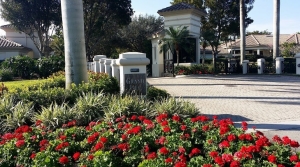
Proven Summer Seasonal Color Performers in Southwest Florida
While exact selections vary based on sun exposure, soil conditions, irrigation design, and maintenance access, successful summer color programs typically focus on heat-tolerant, disease-resistant varieties that maintain form and color with minimal intervention.
Many Southwest Florida properties see consistent performance from:
- Pentas (strong color, heat tolerant, attracts pollinators)
- Vinca (Catharanthus roseus) (excellent heat and sun tolerance)
- Angelonia (long bloom cycle, handles humidity well)
- Salvia varieties (durable and reliable color impact)
- Ornamental sweet potato vine (strong spillover effect and texture)
- Coleus (sun-tolerant varieties) (bold foliage color with high impact)
These plant types tend to perform better in the summer because they are more resilient to high temperatures and moisture swings.
That said, plant selection alone doesn’t guarantee success.
Placement and Bed Strategy Matter as Much as Plant Choice
One of the most common reasons seasonal color fails is improper placement. Even the best plant material will struggle if installed in beds with poor drainage, overspray irrigation, or intense reflected heat.
To maximize longevity and visual impact, seasonal color programs should include:
- Strategic placement in high-visibility areas (entrances, signage, amenities)
- Soil preparation and proper bed elevation to improve drainage
- Mulch refresh to stabilize moisture and suppress weeds
- Irrigation zoning that separates beds from turf zones when possible
- Spacing and airflow to reduce disease pressure in humid conditions
A well-designed program reduces replacements and keeps beds looking intentional—not “patched together” mid-season.
Why February Planning Improves Results and Controls Costs
Planning seasonal color in February gives HOA boards and property managers time to:
- Coordinate rotations with maintenance schedules
- Align installs with budget allocations
- Reserve plant material early (before availability tightens)
- Schedule installation during optimal windows
- Reduce emergency replacements during summer stress periods
Instead of treating seasonal color as a reactive expense, February planning makes it a strategic enhancement with predictable results.
Keep Your Property Looking Strong All Summer
Seasonal color is most effective when it’s planned with intention. When the right plant material is selected and installed properly, communities maintain strong curb appeal even during Southwest Florida’s harshest months—without overspending on replacements.
Vision Landscapes supports HOAs and commercial properties across Naples, Fort Myers, Bonita Springs, Estero, and Port Charlotte with seasonal planning, enhancements, irrigation management, and long-term landscape strategy.
🌿 Ready to build a seasonal color plan that performs all summer?
Contact us now to schedule a consultation.

