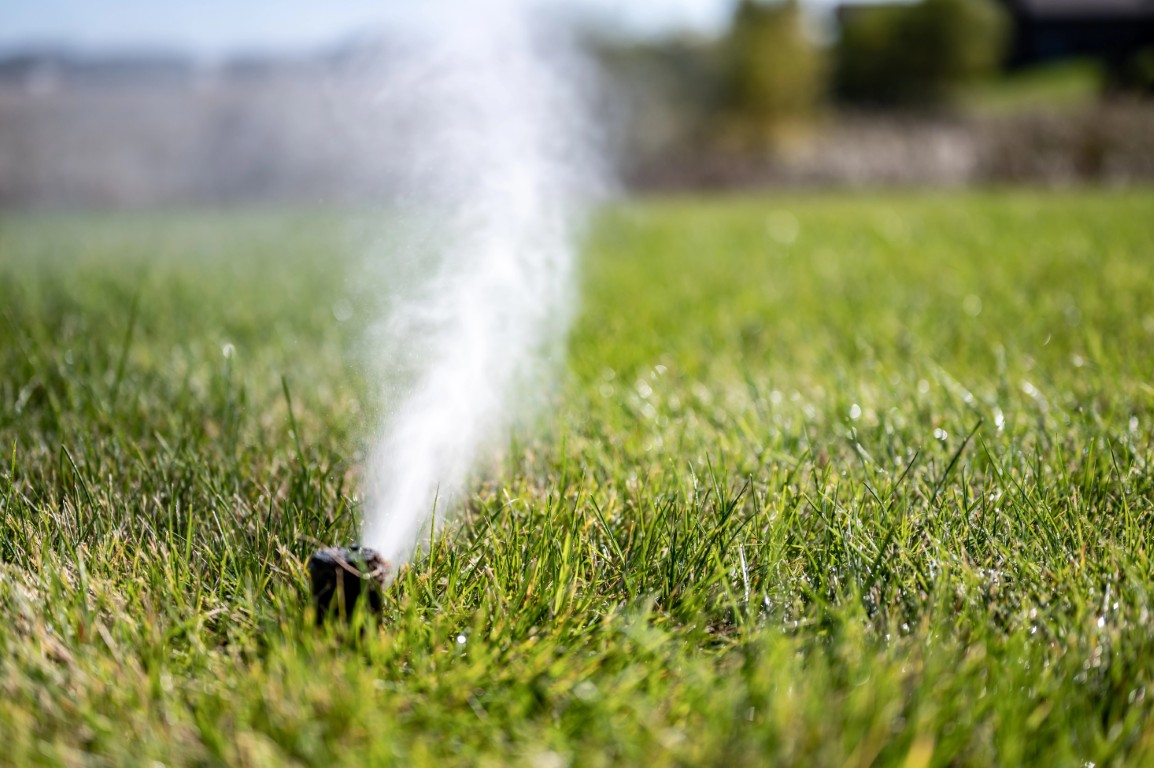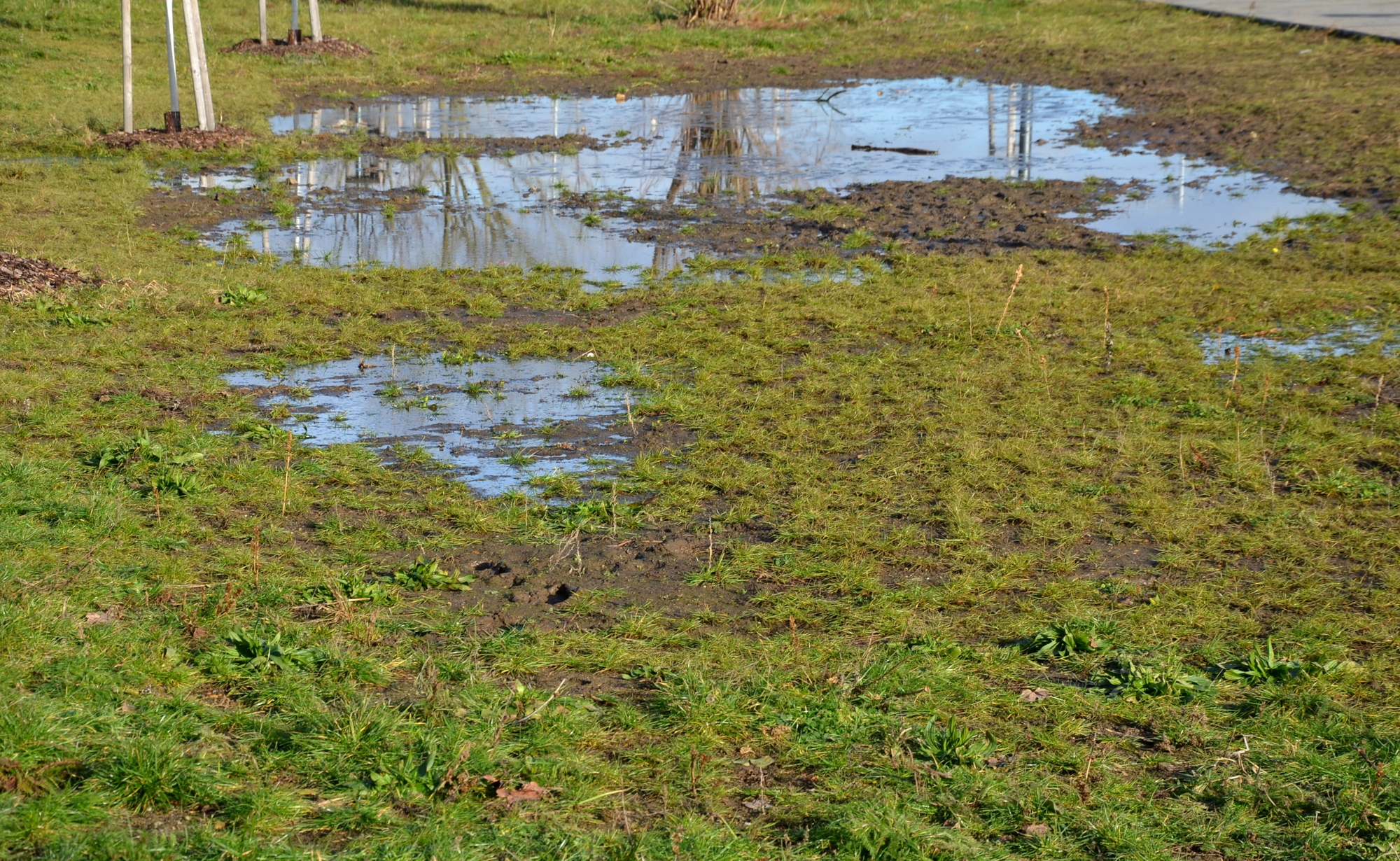
Severe storms and prolonged rain events are common across Florida, and irrigation systems that continue operating during or immediately after heavy rainfall can create unnecessary risk and expense for HOA communities and commercial properties. Over-saturated soils, runoff, and system strain often result not from equipment failure—but from a lack of coordinated storm-mode planning.
Integrating irrigation storm settings and hard-rain shutoff mechanisms into a property’s water management strategy protects turf health, reduces waste, and supports long-term infrastructure performance.
Why Irrigation Control Matters During Storm Events
When irrigation systems run during heavy rain or shortly afterward, properties may experience:
- Root instability due to oversaturated soils
- Increased risk of turf disease and decline
- Runoff into storm drains and retention areas
- Nutrient leaching following fertilization
- Unnecessary water utility expenses
Storm-related irrigation mismanagement can also weaken trees and ornamentals at a time when structural stability is critical.
Understanding Irrigation “Storm Mode”
Modern irrigation controllers often include programmable storm or rain-delay settings. These features allow property managers or landscape professionals to temporarily suspend watering in advance of or immediately following major weather events.
Effective storm-mode protocols include:
- Manual rain delays activated prior to projected storms
- Automatic weather-based suspension using connected forecasting tools
- Post-storm system inspections before resuming normal schedules
- Gradual reintroduction of irrigation to prevent sudden soil saturation
Storm-mode planning should be documented and integrated into seasonal hurricane preparedness procedures.
The Role of Hard-Rain Shutoff Devices
Rain sensors and soil moisture sensors provide automatic protection by interrupting irrigation cycles when rainfall thresholds are reached.
Key advantages include:
- Immediate system shutdown during measurable rainfall
- Reduced human error or oversight
- Improved compliance with Florida water conservation standards
- Protection against irrigation during multi-day storm systems
Proper calibration and regular inspection are essential to ensure sensors respond accurately under varying weather conditions.
Post-Storm Irrigation Assessment
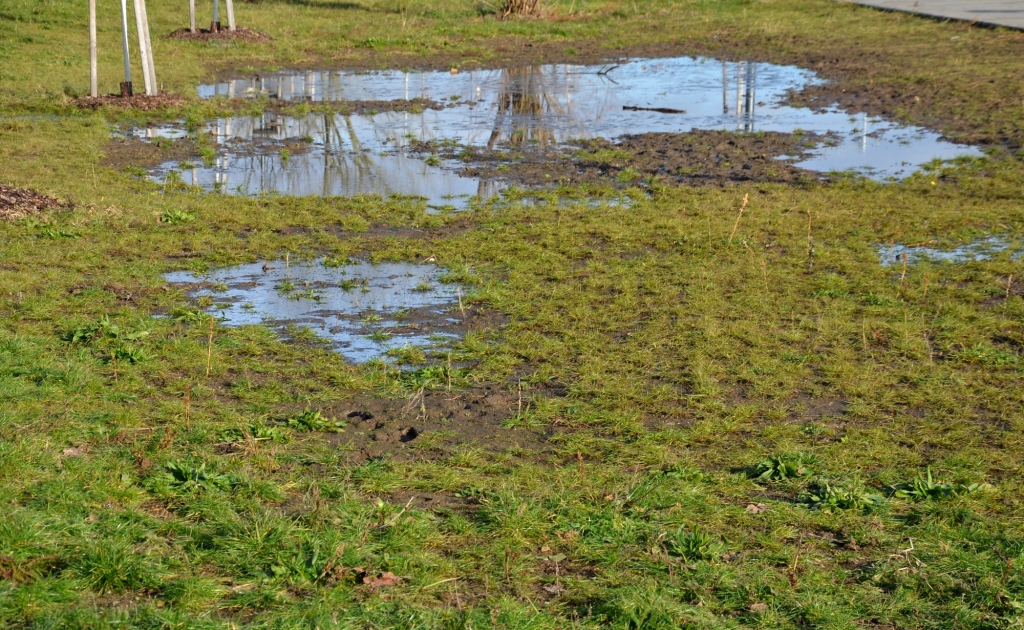
Resuming irrigation without inspection can compound storm damage. A structured post-storm review should include:
- Checking for broken heads, exposed lines, or shifted components
- Inspecting valve boxes for flooding or debris
- Evaluating soil saturation before reactivating schedules
- Confirming controller programming has not been disrupted by power loss
A controlled restart protects turf, prevents erosion, and reduces secondary repair costs.
Integrating Irrigation Into Broader Storm Planning
Irrigation management should not operate independently from tree care, drainage planning, and debris coordination. Overwatering before or after storms can increase the likelihood of tree failure and turf loss.
For HOA boards and commercial property managers, aligning irrigation storm protocols with broader hurricane preparedness plans supports:
- Stronger root stability in high-wind conditions
- Reduced runoff and environmental impact
- Lower repair and water costs
- More predictable post-storm landscape recovery
Proactive Water Management with Vision Landscapes
Vision Landscapes works with HOA boards and commercial property managers throughout Naples, Fort Myers, Bonita Springs, Estero, and Port Charlotte to develop irrigation strategies that align with storm preparedness and long-term water efficiency goals. Through system audits, controller programming, and sensor integration, Vision Landscapes helps properties protect landscape health while reducing unnecessary water use.
To review your irrigation system settings or strengthen your storm preparedness plan, contact us to schedule a consultation.